A diagnosis of polycystic ovary syndrome (PCOS) can feel overwhelming. There are medications to consider, symptoms to manage, and often a good deal of frustration, especially when the scale does not move no matter how hard you try. But one area where you genuinely have significant influence is diet. The right nutritional approach will not cure PCOS, but it can meaningfully improve symptoms, reduce long-term health risks, and make other treatments more effective.
Why Diet Matters So Much in PCOS
Insulin resistance is present in 50 to 75 percent of women with PCOS, including those who are not overweight. When your cells do not respond well to insulin, your pancreas produces more of it. Those elevated insulin levels then signal the ovaries to produce more androgens (male-type hormones), which worsens the irregular periods, acne, and unwanted hair growth that define PCOS. High insulin also promotes fat storage, particularly around the abdomen, and increases the risk of developing type 2 diabetes, which affects over half of women with PCOS by age 40.
This is why diet for PCOS is not simply about losing weight or eating less. It is about managing blood sugar, reducing insulin spikes, and lowering inflammation throughout the body.
The Dietary Principles That Help
Research consistently supports several dietary patterns for improving PCOS outcomes: the Mediterranean diet, the low glycemic index (low-GI) diet, and the DASH (Dietary Approaches to Stop Hypertension) diet. While these differ in some details, they share a common philosophy: whole, minimally processed foods; abundant vegetables; healthy fats; lean proteins; and limited refined sugars and processed carbohydrates.
A study published in PMC through 2025 found that Mediterranean, low-GI, and ketogenic diets modified for individual needs are among the best approaches for resolving insulin resistance, reducing androgen levels, and restoring more regular ovulation in women with PCOS.
Foods to Prioritize
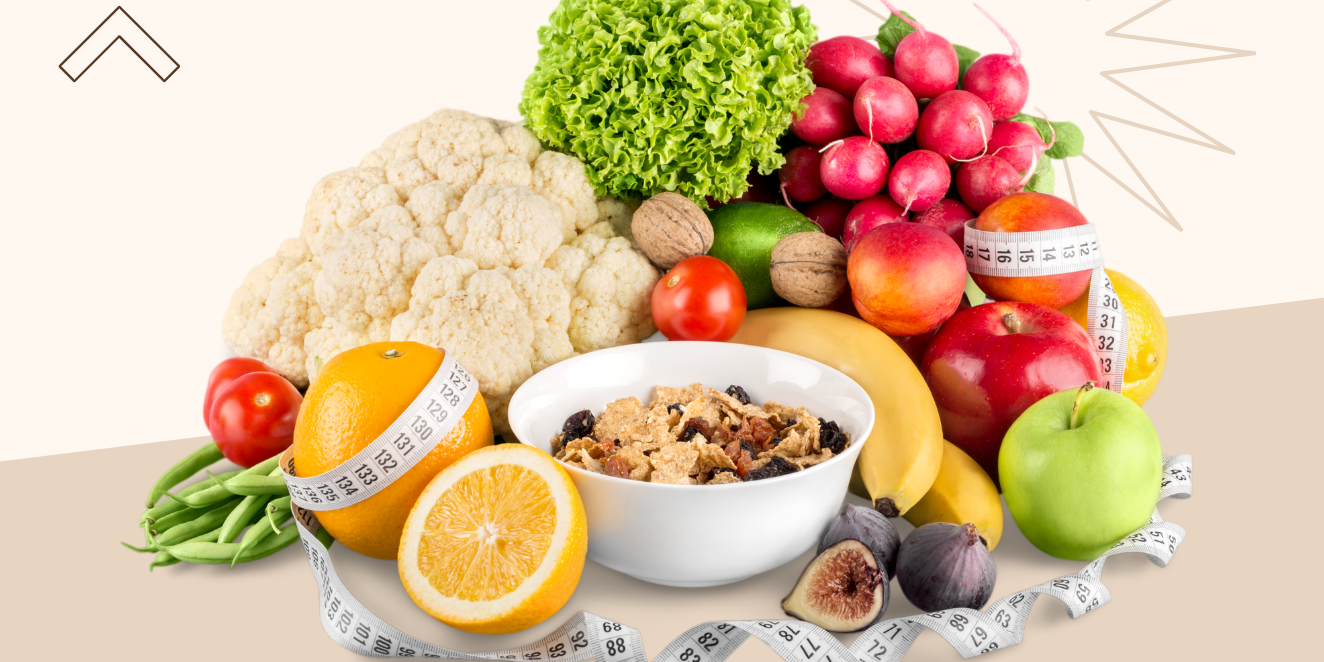
Focusing your meals around the following can make a real difference:
- Non-starchy vegetables: spinach, kale, broccoli, cauliflower, peppers, mushrooms, cucumber, celery, asparagus, and artichokes
- Whole fruits, particularly berries, which are rich in fiber and antioxidants and have a lower glycemic impact than fruit juice
- Whole grains such as oats, quinoa, barley, brown rice, and bulgur in place of refined white carbohydrates
- Lean proteins including chicken, turkey, eggs, fish especially fatty fish like salmon, sardines, and mackerel, and plant-based options like legumes, lentils, and tofu
- Healthy fats from olive oil, avocados, nuts, and seeds
- Fiber-rich foods throughout the day to slow glucose absorption and support hormonal balance
Foods to Limit or Avoid
These categories of food tend to worsen insulin resistance and inflammation in women with PCOS:
- Refined carbohydrates including white bread, white pasta, white rice, pastries, and most packaged snack foods
- Sugary beverages: soda, sweetened coffee drinks, bottled smoothies, and fruit juices
- Fried foods and ultra-processed foods
- Processed meats such as hot dogs, sausage, and deli meats
- Excess saturated fats from red meat and full-fat dairy products
What About Supplements?
Some supplements have a reasonable evidence base in PCOS. Inositol (particularly myo-inositol and D-chiro-inositol) has been shown in clinical trials to improve insulin action, lower androgen levels, and support more regular ovulation. Vitamin D deficiency is common in PCOS and supplementing when levels are low can improve metabolic markers. Omega-3 fatty acids and magnesium are also being studied for their roles in hormone regulation and inflammation.
Before starting any supplement, speak with your provider. At Ivana MD, we serve women throughout Sugar Land, Missouri City, Stafford, Richmond, League City, Houston, and Fort Bend County, and we can review your labs, discuss targeted nutritional support, and help you build a realistic, sustainable plan that fits your life and your PCOS.
A Note on Weight Loss
Research shows that losing even 5 to 10 percent of body weight in women with PCOS who are overweight can significantly improve menstrual regularity, reduce androgen levels, and improve fertility. This does not require extreme dieting. In fact, fad diets, very low calorie approaches, and cutting out entire food groups are not recommended. Sustainable, balanced eating, combined with regular physical activity targeting at least 150 minutes of moderate exercise per week, produces the most consistent results.
You do not have to navigate PCOS alone. A supportive medical team makes all the difference.