
Women’s Health | IVANA MD | Missouri City, TX
If your doctor has recommended a laparoscopic gynecology procedure, you may have questions about what it involves, why it is done, and what to expect. This minimally invasive surgical approach has transformed women’s healthcare, offering faster recovery times and fewer complications compared to traditional open surgery.
What Is Laparoscopic Gynecology?
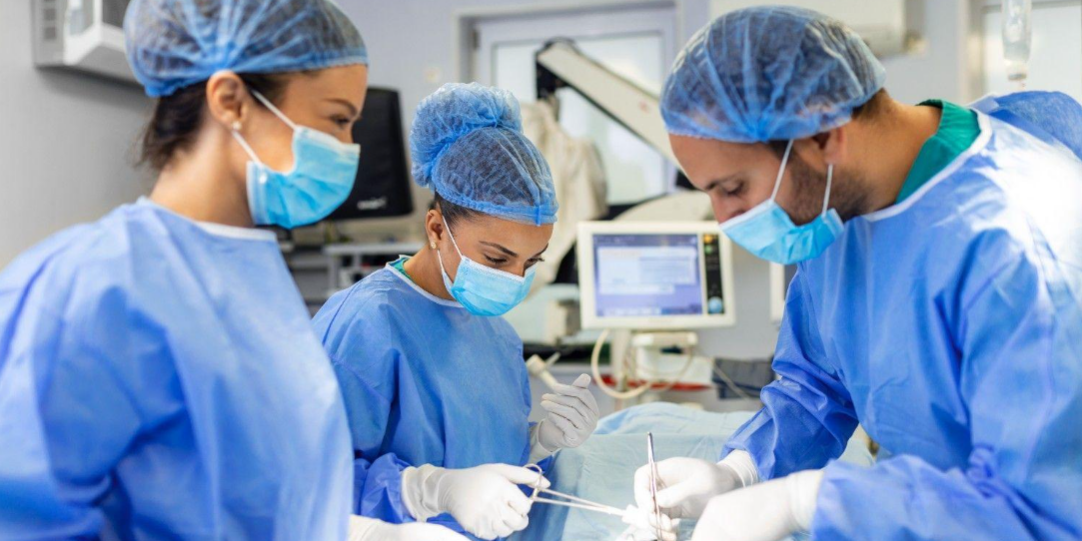
Laparoscopic gynecology, also called minimally invasive gynecologic surgery, is a surgical technique in which a gynecologist uses a small camera called a laparoscope and thin surgical instruments inserted through tiny incisions in the abdomen. Instead of making a large cut, the surgeon views the pelvic and abdominal organs on a screen in real time, allowing for precise diagnosis and treatment with minimal disruption to the body.
What Conditions Can It Treat?
Laparoscopic surgery is used to diagnose and treat a wide range of gynecological conditions, including:
- Endometriosis
- Uterine fibroids
- Ovarian cysts
- Pelvic inflammatory disease
- Ectopic pregnancy
- Pelvic organ prolapse
- Chronic pelvic pain
- Infertility related to structural issues
What Does Science Say?
Research consistently supports laparoscopic surgery as a safer and more effective alternative to open surgery for many gynecological conditions.
A study published in the Journal of Minimally Invasive Gynecology found that patients who underwent laparoscopic procedures experienced significantly less postoperative pain, shorter hospital stays, and faster return to normal activity compared to those who had open surgery.
A review in the Cochrane Database of Systematic Reviews also confirmed that laparoscopic surgery for endometriosis significantly improved pain outcomes and increased pregnancy rates in women struggling with infertility.
Common Types of Laparoscopic Gynecology Procedures
There are several types of laparoscopic gynecologic procedures depending on the condition being treated, including:
- Laparoscopic hysterectomy, which is the removal of the uterus
- Laparoscopic myomectomy, which removes uterine fibroids while preserving the uterus
- Ovarian cystectomy, which removes cysts from the ovaries
- Laparoscopic treatment of endometriosis
- Tubal ligation for permanent contraception
- Diagnostic laparoscopy to investigate unexplained pelvic pain or infertility
What to Expect Before, During, and After
Before the procedure your doctor will review your medical history, perform imaging tests, and give you specific instructions about eating, drinking, and medications.
During the procedure you will be under general anesthesia. The surgeon makes one to three small incisions near the navel and abdomen, inserts the laparoscope and instruments, and performs the necessary treatment.
Most procedures take between 30 minutes and two hours depending on the complexity.
After the procedure most women go home the same day or within 24 hours. Recovery typically involves:
- Mild abdominal bloating or shoulder pain from the gas used during surgery
- Light spotting or discharge for a few days
- Returning to light activity within one to two weeks
- Full recovery within two to four weeks depending on the procedure
Benefits of Laparoscopic Surgery Over Open Surgery
- Smaller incisions and less scarring
- Reduced risk of infection
- Less blood loss during surgery
- Shorter hospital stay
- Faster return to daily activities
- Less postoperative pain
When Should You Consider a Laparoscopic Procedure?
You may be a candidate for laparoscopic gynecologic surgery if you have been diagnosed with endometriosis, fibroids, or ovarian cysts, if you are experiencing chronic pelvic pain that has not responded to other treatments, if you are struggling with unexplained infertility, or if you need a minimally invasive option for a hysterectomy.
Your gynecologist will evaluate your symptoms, medical history, and imaging results to determine whether this approach is right for you.
Schedule your women’s health appointment with IVANA MD in Missouri City, TX.
Call: 346-585-4077
4220 Cartwright Road, Suite 201, Missouri City, Texas 77459.
References
American College of Obstetricians and Gynecologists. (2023). Laparoscopy. https://www.acog.org/womens-health/faqs/laparoscopy
Bafort, C., Beebeejaun, Y., Tomassetti, C., Bosteels, J., & Duffy, J. M. (2020). Laparoscopic surgery for endometriosis. Cochrane Database of Systematic Reviews, 2020(10). https://www.cochranelibrary.com/cdsr/doi/10.1002/14651858.CD011031.pub3/full
Cleveland Clinic. (2022) Laparoscopy: Procedure and benefits. https://my.clevelandclinic.org/health/procedures/4819-laparoscopy
Medscape. (2021). Gynecologic laparoscopy: Overview and indications. https://emedicine.medscape.com/article/265201-overview
Nambiar, A., Kohli, S., & Puri, S. (2022). Comparative analysis of laparoscopic versus open surgery in gynecological oncology: A clinical perspective. Cureus, 14(10), e30245 https://pmc.ncbi.nlm.nih.gov/articles/PMC10951803/