
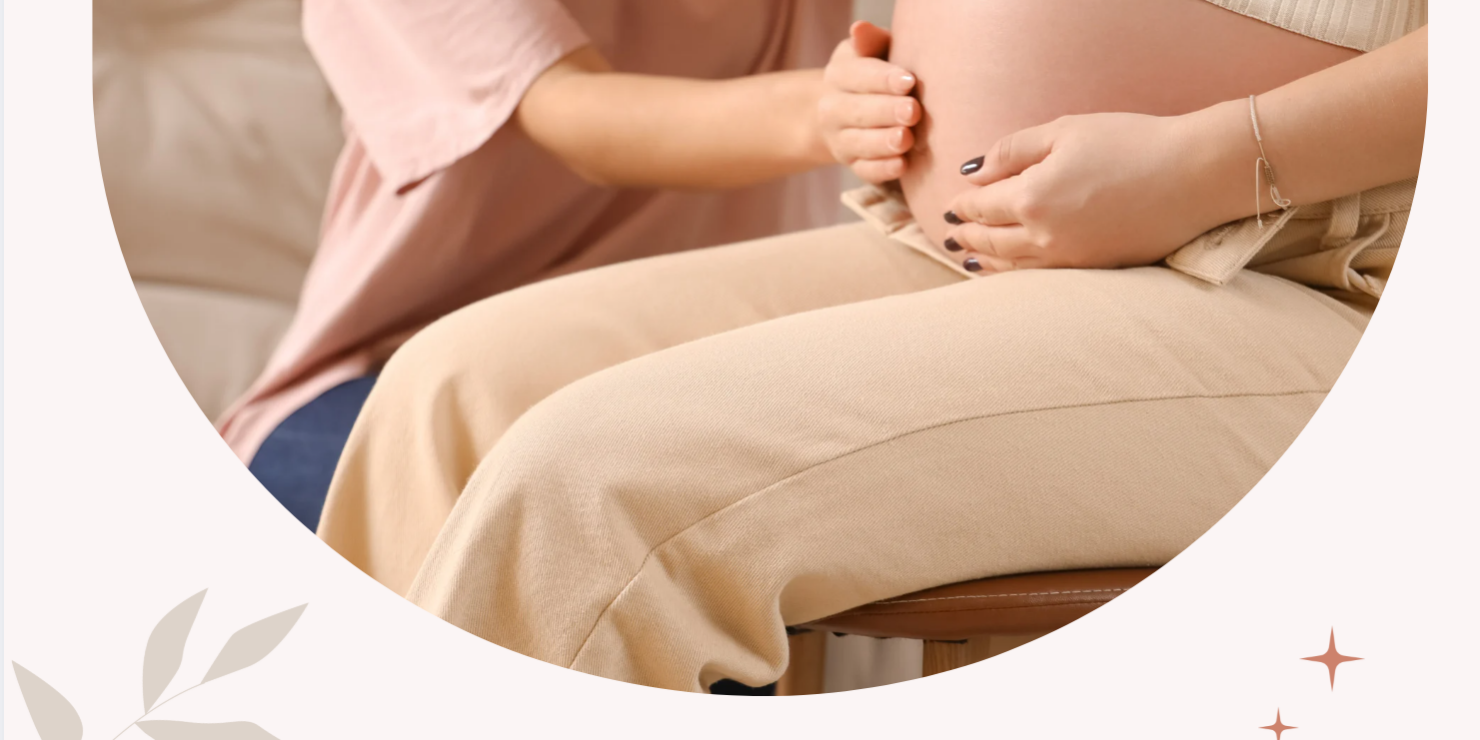
Finding out you have uterine fibroids when you are trying to start or grow your family can feel alarming. Questions race: Will I be able to get pregnant? Will they cause a miscarriage? Do I need surgery before I even try? These are all valid concerns, and the good news is that most women with fibroids do go on to have healthy pregnancies.
That said, fibroids can affect fertility and pregnancy in ways that depend significantly on their type, size, and location. Here is what the evidence shows.
The Short Answer
Yes, you can get pregnant with fibroids. In fact, some women discover they have fibroids for the first time during a routine prenatal ultrasound, having conceived without any difficulty. Research indicates that fibroids are the sole cause of infertility in only 2 to 3 percent of women.
However, fibroids are not irrelevant to fertility or pregnancy, and some types are significantly more disruptive than others.
How Fibroids Can Affect Fertility
There are several ways fibroids may reduce the chances of conception or successful implantation:
- By distorting the shape of the uterine cavity, making it harder for an embryo to implant
- By blocking the fallopian tubes, preventing eggs from traveling to the uterus
- By reducing blood flow to the uterine lining, creating a less receptive environment for a fertilized egg
- By changing the position of the cervix, which can affect sperm entry
Which Fibroids Are Most Likely to Cause Problems?
Location matters more than size alone. Submucosal fibroids, which grow into the uterine cavity, have the greatest impact on fertility and pregnancy rates. Research in PMC confirms that pregnancy and live birth rates are significantly lower in women with submucosal fibroids, and that surgical removal (myomectomy) improves pregnancy rates. Subserosal fibroids, which grow on the outer surface of the uterus, generally do not affect fertility outcomes and removal does not confer benefit.
Intramural fibroids, which develop within the muscular wall of the uterus, have a more complex relationship with fertility. Large intramural fibroids (greater than 6 cm) have been associated with reduced conception rates, though recommendations on when to remove them remain less clear-cut.
Fibroids and Pregnancy Complications
Even when conception occurs without difficulty, fibroids can affect the course of pregnancy. Complications can occur in 10 to 40 percent of pregnancies in which fibroids are present. These include a higher risk of miscarriage (14 percent versus 7.6 percent in women without fibroids, according to published research), preterm labor, placental problems, baby positioning issues, and a significantly higher rate of cesarean delivery. Women with fibroids are approximately six times more likely to need a C-section compared to those without.
Fibroids may also grow during early pregnancy in response to elevated hormones, which in some cases causes significant pain. Most fibroids shrink again after delivery.
Should Fibroids Be Treated Before Trying to Conceive?
Not necessarily, and not always. Whether to treat fibroids before attempting pregnancy depends on the type and location of the fibroid, your symptoms, your overall fertility picture, and how urgently you are trying to conceive. Waiting and monitoring may be appropriate for fibroids that are small, not submucosal, and not causing significant symptoms.
When treatment is recommended before pregnancy, myomectomy, the surgical removal of fibroids while preserving the uterus, is the standard approach. It can be performed laparoscopically, hysteroscopically (through the cervix for submucosal fibroids), or robotically. Myomectomy does carry a small risk of uterine scarring, and women who have had one are more likely to need a cesarean delivery.
Fertility Treatment with Fibroids
Women with fibroids can absolutely pursue fertility treatment, including IUI and IVF. At Ivana MD, we work closely with fertility specialists to evaluate each patient’s individual situation and provide coordinated care. If you have fibroids and are trying to conceive, we can help you understand whether your fibroids are likely to affect your chances, whether intervention is recommended, and what your options look like going forward.
Women throughout Sugar Land, Missouri City, Stafford, Richmond, League City, Houston, and Fort Bend County are welcome to schedule a consultation. You deserve a clear picture of your reproductive health and a team that takes your fertility goals seriously.