
Women’s Health | IVANA MD | Missouri City, TX
If you have just had an IUD inserted or are considering one, knowing what to expect afterward can make the experience much less stressful. IUDs are one of the most effective forms of long-acting reversible contraception available, but the days and weeks following insertion come with an adjustment period every woman should be prepared for.
What Is an IUD?
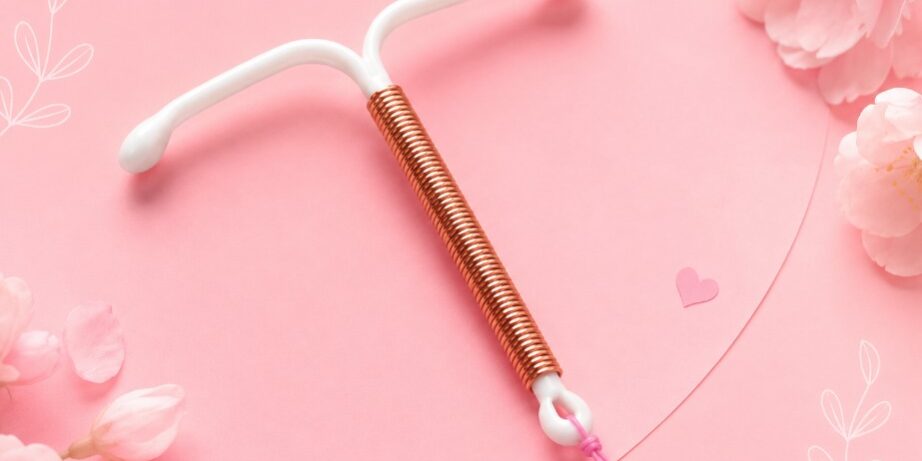
An intrauterine device is a small T-shaped device inserted into the uterus to prevent pregnancy. There are two main types: hormonal IUDs, which release a small amount of progestin, and copper IUDs, which are completely hormone-free. Both are over 99 percent effective according to the Centers for Disease Control and Prevention.
Immediately After Insertion
In the first few hours it is completely normal to experience:
- Moderate to severe cramping
- Dizziness or lightheadedness
- Light spotting or bleeding
- Nausea or pelvic heaviness
These symptoms typically ease within a few hours. Take ibuprofen before and after the procedure and plan to rest for the remainder of the day.
The First One to Three Months
With a hormonal IUD expect irregular spotting for the first three to six months, with periods gradually becoming lighter over time. With a copper IUD expect heavier periods and stronger cramping, particularly in the first few months. Research published in Contraception journal confirms that most bleeding irregularities resolve on their own with time.
Signs of Complications to Watch For
While serious complications are rare, contact your provider immediately if you experience:
- Severe pelvic pain that worsens after the first few days
- Heavy bleeding soaking through more than one pad per hour
- Fever, chills, or unusual discharge
- Pain during sex
- You can feel the hard plastic of the IUD
When Does It Become Effective?
Hormonal IUDs are effective immediately if inserted within the first seven days of your cycle. Otherwise use a backup method for seven days. Copper IUDs are effective immediately and can even be used as emergency contraception within five days of unprotected sex.
An IUD is a highly effective long-term option, but it should always feel like the right fit for your body and your life.
📍 Schedule your women’s health appointment with IVANA MD in Missouri City, TX.
📞 346-585-4077
4220 Cartwright Road, Suite 201, Missouri City, Texas 77459.
References
Centers for Disease Control and Prevention. (2024). Intrauterine contraception. U.S. Selected Practice Recommendations for Contraceptive Use (U.S. SPR). https://www.cdc.gov/contraception/hcp/usspr/intrauterine-contraception.html
ESHRE Capri Workshop Group. (2008). Intrauterine devices and intrauterine systems. Human Reproduction Update, 14(3), 197–208. https://academic.oup.com/humupd/article/14/3/197/683294
Heinemann, K., Reed, S., Moehner, S., & Minh, T. D. (2015). Comparative contraceptive effectiveness of levonorgestrel-releasing and copper intrauterine devices: The European Active Surveillance Study for Intrauterine Devices. Contraception, 91(4), 280–283.https://pubmed.ncbi.nlm.nih.gov/25601350/
Hidalgo, M., Bahamondes, L., Perrotti, M., et al. (2002). Bleeding patterns and clinical performance of the levonorgestrel-releasing intrauterine system (Mirena) up to two years. Contraception, 65(2), 129–132. https://pubmed.ncbi.nlm.nih.gov/11927115/