
Women’s Health | IVANA MD | Missouri City, TX
What you eat every day is doing far more than fueling your body. It is directly influencing the production, metabolism, and balance of your hormones. For women, whose health is governed by a complex and sensitive hormonal system, nutrition is one of the most powerful and accessible tools for achieving and maintaining hormonal stability throughout every stage of life.
How Nutrition Affects Hormones
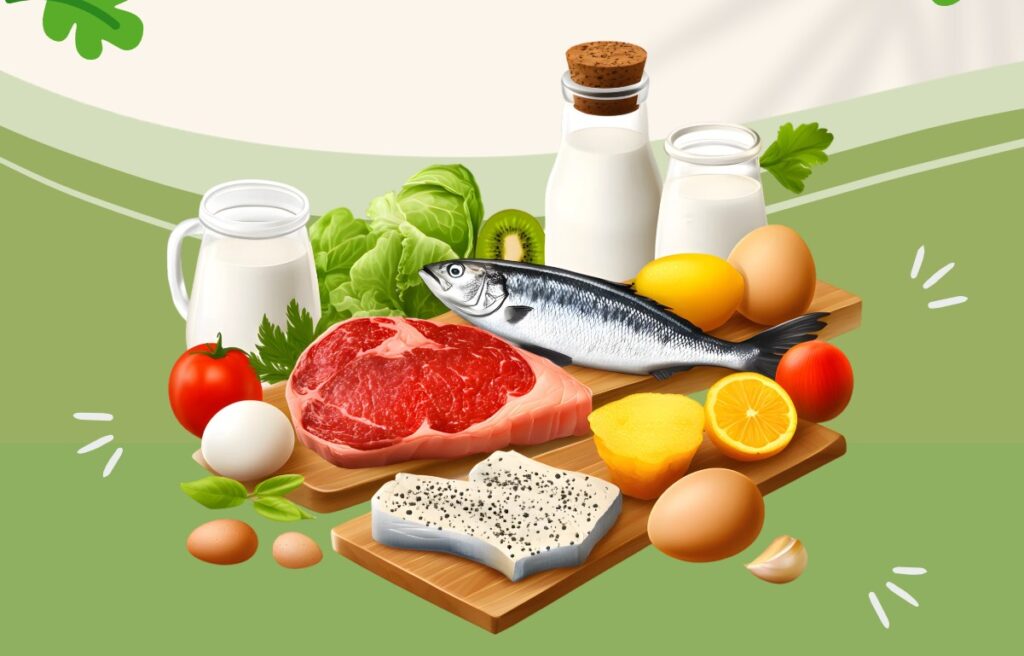
Hormones are produced from the raw materials your body gets through food. Healthy fats are the building blocks of steroid hormones including estrogen, progesterone, and testosterone. Protein provides the amino acids needed to produce peptide hormones including insulin and thyroid hormones. Micronutrients including zinc, magnesium, vitamin D, and B vitamins act as cofactors in hormonal synthesis and metabolism. When your diet is consistently lacking in these nutrients, hormonal imbalances are an almost inevitable result.
Research published in the Journal of Clinical Endocrinology and Metabolism found that dietary patterns significantly influence circulating levels of estrogen, insulin, and inflammatory markers, all of which are central to women’s hormonal health.
Foods That Support Hormone Balance
Healthy Fats
Hormones cannot be made without fat. Chronically low fat diets have been shown to suppress estrogen production and disrupt menstrual cycles. Prioritize:
- Avocados, which are rich in monounsaturated fats and plant sterols that support hormonal production
- Extra virgin olive oil, which has anti-inflammatory properties that reduce cortisol burden
- Fatty fish including salmon and sardines, which provide omega-3 fatty acids shown in research to reduce prostaglandin production and menstrual pain
- Nuts and seeds, particularly flaxseeds which contain lignans that help modulate estrogen metabolism
Cruciferous Vegetables
Broccoli, cauliflower, Brussels sprouts, kale, and cabbage contain a compound called indole-3-carbinol that supports healthy estrogen metabolism. Research published in the Journal of Nutrition found that indole-3-carbinol promotes the conversion of estrogen into its less potent and less harmful metabolites, reducing the risk of estrogen dominance and associated conditions including endometriosis and uterine fibroids.
Fiber
Dietary fiber plays a critical role in hormone regulation by supporting the gut microbiome and facilitating the elimination of excess estrogen from the body. When fiber intake is low, estrogen that should be excreted gets reabsorbed into the bloodstream, contributing to estrogen excess. A study in the American Journal of Clinical Nutrition found that women consuming higher fiber diets had significantly lower circulating estrogen levels compared to women eating low fiber diets. Good sources include:
- Legumes including lentils, chickpeas, and black beans
- Whole grains including oats, quinoa, and brown rice
- Fruits and vegetables of all kinds
Magnesium-Rich Foods
Magnesium is one of the most important minerals for women’s hormonal health and one of the most commonly deficient. It supports progesterone production, reduces cortisol, improves insulin sensitivity, and has been shown in multiple studies to reduce PMS symptoms, menstrual pain, and sleep disturbances. Rich sources include:
- Dark leafy greens including spinach and Swiss chard
- Pumpkin seeds
- Dark chocolate with 70 percent or higher cocoa content
- Almonds and cashews
- Avocado
Foods That Disrupt Hormone Balance
Just as certain foods support hormonal health, others actively undermine it. Research consistently links the following to hormonal disruption in women:
- Refined sugar and high glycemic carbohydrates, which spike insulin levels and worsen insulin resistance, directly disrupting ovarian function and worsening PCOS symptoms
- Ultra-processed foods, which are high in inflammatory oils, additives, and preservatives that increase systemic inflammation and disrupt the gut microbiome
- Excess alcohol, which impairs liver function and reduces the liver’s ability to metabolize and clear excess estrogen from the body
- Conventionally raised dairy and meat products, which may contain residual hormones and antibiotics that interfere with the endocrine system
- High caffeine intake, particularly in women sensitive to adrenal dysregulation, which can elevate cortisol and worsen hormonal symptoms
The Gut and Hormone Connection
The gut microbiome plays a direct role in hormonal balance through a collection of bacteria called the estrobolome, which metabolizes and regulates circulating estrogen. When gut health is compromised by poor diet, stress, or antibiotic use, estrogen metabolism is disrupted. Supporting gut health through probiotic-rich foods including yogurt, kefir, kimchi, and sauerkraut, alongside prebiotic fiber, is an essential component of hormonal nutrition.
Key Nutrients for Hormonal Health
Beyond specific foods, certain nutrients have particularly strong evidence for supporting hormone stability in women:
- Vitamin D, which functions as a hormone itself and deficiency of which is linked to menstrual irregularities, PCOS, and increased PMS severity according to research in the European Journal of Clinical Nutrition
- Zinc, which supports progesterone production and thyroid hormone synthesis and has been shown to reduce androgen levels in women with PCOS
- B vitamins, particularly B6 and folate, which support serotonin production and healthy estrogen metabolism
- Iodine, which is essential for thyroid hormone production and is commonly deficient in women on restricted diets
Eating Patterns That Support Hormonal Stability
Beyond individual foods and nutrients, overall eating patterns matter enormously. Research supports the following approaches for women’s hormonal health:
- Eating regular balanced meals and avoiding prolonged fasting, which can spike cortisol and suppress reproductive hormones
- Following a Mediterranean-style diet, which a study in Nutrients journal found to be associated with better hormonal profiles, lower inflammation, and reduced risk of PCOS and endometriosis
- Avoiding extreme calorie restriction, which signals the body to suppress reproductive hormone production as a survival mechanism
- Eating adequate protein at each meal to support stable blood sugar and provide the amino acids needed for hormone synthesis
When to See a Doctor
Nutrition is a powerful foundation for hormonal health, but it is not always enough on its own. If you are eating well and still experiencing symptoms of hormonal imbalance including irregular periods, severe PMS, unexplained weight changes, persistent fatigue, or fertility challenges, a hormonal evaluation with your women’s health provider is the right next step. Blood tests, hormonal panels, and a thorough clinical assessment can identify specific imbalances that targeted nutrition and medical treatment can address together.
Food is medicine, but sometimes medicine also needs medicine. The two work best together.
📍 Schedule your women’s health appointment with IVANA MD in Missouri City, TX.
📞 346-585-4077.
4220 Cartwright Road, Suite 201, Missouri City, Texas 77459.
References
Reed, M. J., Cheng, R. W., Simmonds, M., et al. (1987). Dietary lipids: an additional regulator of plasma levels of sex hormone binding globulin. The Journal of Clinical Endocrinology & Metabolism, 64(5), 1046-1051. https://pubmed.ncbi.nlm.nih.gov/3558725
Gaskins, A. J., Mumford, S. L., Zhang, C., et al. (2009). Effect of daily fiber intake on reproductive function: the BioCycle Study. The American Journal of Clinical Nutrition, 90(4), 1061-1069. https://pmc.ncbi.nlm.nih.gov/articles/PMC2744625/
Jamilian, M., Samimi, M., Mirhosseini, N., et al. (2019). A randomized double-blind placebo-controlled trial of vitamin D and evening primrose oil co-supplementation on lipid profiles and biomarkers of oxidative stress in vitamin D-deficient women with polycystic ovary syndrome. European Journal of Clinical Nutrition, 73(5), 785-792. nih.gov
Szmidt, M. K., Granda, D., Madej, D., Sicińska, E., & Kałuża, J. (2023). Adherence to the Mediterranean Diet in Women and Reproductive Health across the Lifespan: A Narrative Review. Nutrients, https://www.mdpi.com/2072-6643/15/9/2131
Fathizadeh, N., Ebrahimi, E., Valiani, M., et al. (2010).Evaluating the effect of magnesium and magnesium plus vitamin B6 supplement on the severity of premenstrual syndrome nih.gov