
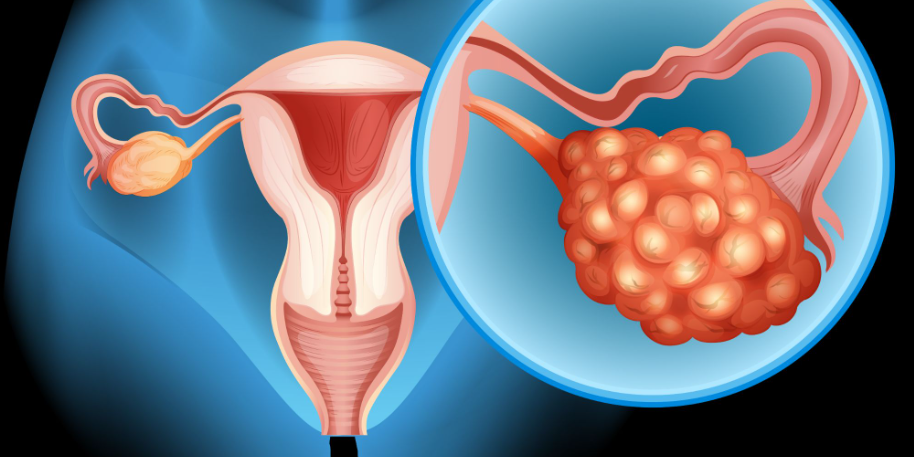
Leiomyomas, also called myomas or uterine fibroids, are noncancerous growths that develop in or around the uterus. They are common during the reproductive years and can vary greatly in size and number.
Most fibroids do not cause symptoms and may never require treatment. Fibroids themselves are not cancer, and having uterine fibroids does not appear to increase the risk of developing uterine cancer. A rare type of cancer called uterine leiomyosarcoma can resemble a fibroid, but it is not thought to develop from an existing benign fibroid.
Fibroids can be very small or can grow several inches in size. Some women have a single fibroid, while others have multiple fibroids. Their size and location can affect whether they cause symptoms.
Various Forms of Uterine Fibroids
Fibroids are generally classified according to where they are located:
- Intramural fibroids grow within the muscular wall of the uterus and are the most common type.
- Submucosal fibroids develop beneath the inner lining of the uterus and can sometimes contribute to heavy menstrual bleeding or fertility problems.
- Subserosal fibroids grow toward the outside of the uterus and may become quite large.
- Pedunculated fibroids are attached to the uterus by a stalk and can occur on either the inner or outer surface.
A woman can have more than one type at the same time.
How Symptoms Present Themselves
Many women with fibroids have no symptoms. When symptoms do occur, they can vary depending on the size, number, and location of the fibroids.
Possible symptoms include:
- Heavy or prolonged menstrual bleeding
- Pelvic pressure or pain
- Lower back or abdominal pain
- Pain during sex
- Frequent urination or difficulty emptying the bladder
- Constipation or pressure in the rectum
- An enlarged abdomen
- Bleeding between periods
Heavy menstrual bleeding can sometimes lead to iron-deficiency anemia, which may cause fatigue, weakness, or shortness of breath.
Fibroids can also affect fertility in some women, particularly when they distort the inside of the uterine cavity. However, many women with fibroids become pregnant without difficulty.
How Are Fibroids Diagnosed?
Your healthcare provider may suspect fibroids during a pelvic examination if the uterus feels enlarged or irregular. Imaging is usually needed to confirm the diagnosis and determine the size and location of the fibroids.
Ultrasound is commonly used to evaluate the uterus and identify fibroids. Depending on your symptoms and circumstances, your provider may recommend additional imaging or procedures.
Treatment
Treatment depends on your symptoms, the size and location of the fibroids, your age, and whether you hope to become pregnant.
If you have no symptoms or your symptoms are mild, your provider may recommend monitoring the fibroids rather than treating them immediately.
When treatment is needed, options may include medications to help control heavy bleeding or pain, minimally invasive procedures, or surgery. A myomectomy removes fibroids while preserving the uterus and may be an option for some women who want future pregnancies. A hysterectomy removes the uterus and is a definitive treatment for fibroids, but it is not appropriate for everyone.
Your gynecologist can help you choose an approach based on your symptoms, reproductive goals, and overall health.
When to See a Gynecologist
Talk with your healthcare provider if you experience unusually heavy or prolonged periods, pelvic pain or pressure, bleeding between periods, pain during sex, difficulty becoming pregnant, or changes in urination or bowel movements.
Fibroids are common and treatable, and having them does not automatically mean you need surgery. The right treatment depends on your individual situation.
Find a Gynecologist for Fibroids
If you need more information about fibroids, treatment options, or surgical management, contact IVANA MD.
📍 4220 Cartwright Road, Suite 201, Missouri City, Texas 77459
📞 346-585-4077
References
American College of Obstetricians and Gynecologists. (2025). Uterine fibroids. https://www.acog.org/womens-health/faqs/uterine-fibroids
Stewart, E. A. (2015). Clinical practice. Uterine fibroids. New England Journal of Medicine, 372(17), 1646–1655. https://doi.org/10.1056/NEJMcp1411029
Stewart, E. A., Cookson, C. L., Gandolfo, R. A., & Schulze-Rath, R. (2017). Epidemiology of uterine fibroids: A systematic review. BJOG: An International Journal of Obstetrics & Gynaecology, 124(10), 1501–1512. https://doi.org/10.1111/1471-0528.14640
Laughlin, S. K., Schroeder, J. C., & Baird, D. D. (2010). New directions in the epidemiology of uterine fibroids. Seminars in Reproductive Medicine, 28(3), 204–217. https://doi.org/10.1055/s-0030-1251477