Endometriosis is a condition that affects millions of women worldwide, yet many do not realise they have it until they experience persistent pelvic pain or difficulty getting pregnant.
For women trying to conceive, an endometriosis diagnosis can raise many questions. Does having endometriosis mean you cannot get pregnant? How does it affect fertility? And what treatment options are available?
The good news is that endometriosis does not automatically mean infertility. Many women with the condition conceive naturally, while others may need medical support to improve their chances.
What Is Endometriosis?
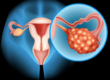
Endometriosis occurs when tissue similar to the lining of the uterus grows outside the uterus. These growths may develop on the ovaries, fallopian tubes, pelvic lining and other nearby structures.
Unlike the normal uterine lining, this tissue has no easy way to leave the body during menstruation. It can contribute to inflammation, irritation, scar tissue and adhesions.
Common symptoms include:
- Severe menstrual cramps
- Chronic pelvic pain
- Pain during or after sex
- Pain with bowel movements or urination, particularly around menstruation
- Heavy or irregular bleeding
- Difficulty getting pregnant
Some women, however, have very few symptoms or none at all.
How Does Endometriosis Affect Fertility?
Endometriosis can affect fertility in several ways. The impact depends on its location, severity and whether the ovaries or fallopian tubes are involved.
- Inflammation: Endometriosis can cause inflammation within the pelvis, potentially affecting the environment needed for fertilisation and early embryo development.
- Scar tissue and adhesions: Bands of scar tissue may cause pelvic organs to stick together or change their normal position. This can interfere with the movement of the egg and the function of the fallopian tubes.
- Ovarian involvement: Endometriosis can cause ovarian cysts called endometriomas. These may affect ovarian tissue and, in some cases, reduce ovarian reserve.
- Possible effects on egg quality and implantation: Changes associated with endometriosis may affect reproductive processes, although the exact mechanisms are still being studied.
Not every woman with endometriosis experiences these fertility problems, and the condition does not affect everyone in the same way.
Can You Get Pregnant With Endometriosis?
Yes. Many women with endometriosis become pregnant naturally and go on to have healthy pregnancies.
However, some may take longer to conceive or need fertility treatment. The chances of pregnancy depend on factors such as age, ovarian reserve, the condition of the fallopian tubes, the severity of endometriosis and the fertility health of both partners.
Having endometriosis does not mean you should give up on the possibility of having children.
How Is Endometriosis-Related Infertility Evaluated?
If you have endometriosis and are finding it difficult to conceive, a healthcare provider may recommend a fertility evaluation.
This may include:
- Reviewing your menstrual history, symptoms and previous pregnancies.
- Pelvic examination and imaging, such as transvaginal ultrasound, to look for endometriomas or other signs of endometriosis.
- Blood tests, including ovarian reserve assessment when appropriate.
- Evaluation of the fallopian tubes and uterus when indicated.
- A semen analysis for your partner, since fertility involves both partners.
A normal ultrasound does not completely rule out endometriosis. Your provider will consider your symptoms and medical history when deciding whether further evaluation is needed.
Treatment Options for Women With Endometriosis Who Want to Conceive
Treatment depends on your fertility goals, age, symptoms and the extent of the condition. Options may include:
- Surgery: In selected cases, laparoscopic surgery may remove endometriosis growths, adhesions or ovarian cysts. However, surgery involving the ovaries can sometimes reduce ovarian reserve, so the benefits and risks should be discussed carefully.
- Fertility medications and treatment: Depending on your circumstances, assisted reproductive options such as intrauterine insemination (IUI) or in vitro fertilisation (IVF) may be considered.
- Individualised fertility planning: Some women may benefit from trying to conceive naturally for a period, while others may need earlier fertility specialist involvement.
Hormonal treatments can help manage endometriosis symptoms, but they generally prevent pregnancy while being used and do not improve natural fertility during treatment.
When Should You See a Gynecologist?
Consider speaking with a gynecologist if you experience severe menstrual pain, ongoing pelvic discomfort, pain during sex or difficulty getting pregnant.
If you have known or suspected endometriosis, you do not necessarily need to wait until you have tried to conceive for a year before discussing your fertility concerns. Women with known fertility-related conditions may benefit from earlier evaluation.
Your Fertility Journey Deserves Attention
Endometriosis can make getting pregnant more challenging for some women, but it does not take away the possibility of motherhood. Understanding the condition, getting an appropriate evaluation and discussing your options with a healthcare provider can help you make informed decisions.
You deserve care that takes both your symptoms and your future fertility goals seriously.
📍 Schedule your women’s health consultation with IVANA MD in Missouri City, TX.
📞 346-585-4077
4220 Cartwright Road, Suite 201, Missouri City, Texas 77459
References
Becker, C. M., et al. (2022). ESHRE guideline: Endometriosis. Human Reproduction Open, 2022(2), hoac009. https://doi.org/10.1093/hropen/hoac009?utm_source
Hamdan, M., et al. (2015). The impact of endometrioma on IVF/ICSI outcomes: A systematic review and meta-analysis. Human Reproduction Update, 21(6), 809–825. https://doi.org/10.1093/humupd/dmv035?utm_source
National Institute for Health and Care Excellence (NICE). Endometriosis: Diagnosis and management (NG73).https://www.nice.org.uk/guidance/ng73
Practice Committee of the American Society for Reproductive Medicine. (2012). Endometriosis and infertility: A committee opinion. Fertility and Sterility, 98(3), 591–598.