
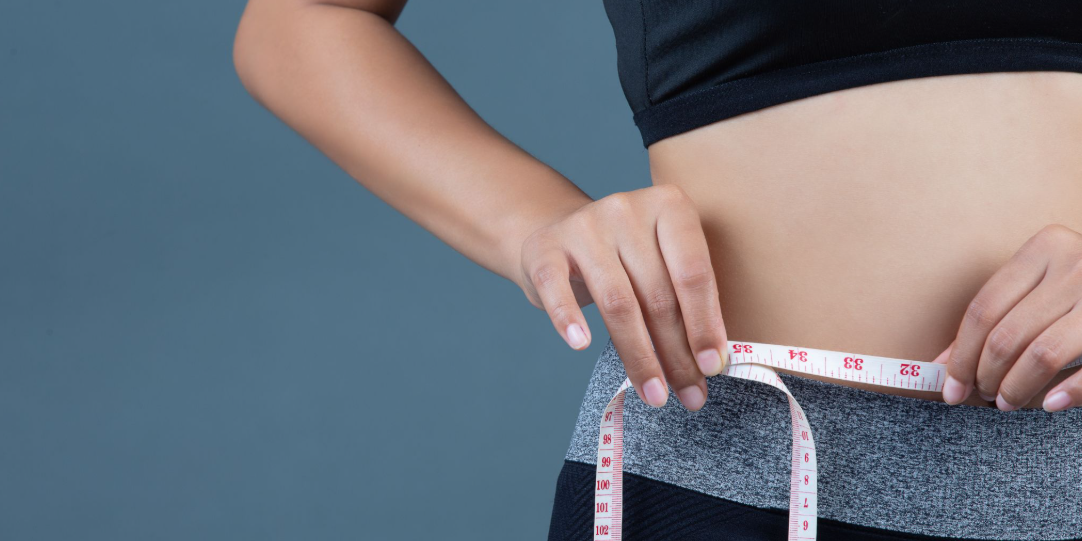
If you have noticed unexplained weight gain, especially around your abdomen, you may have wondered whether your hormones are responsible. Hormones can influence appetite, metabolism, fluid balance, and where the body stores fat, but the idea that most weight gain is simply caused by a “hormonal imbalance” is misleading.
Weight is influenced by many factors, including nutrition, physical activity, sleep, medications, genetics, age, stress, and certain medical conditions.
How Hormones Can Affect Weight
Hormones do play an important role in regulating body weight. Insulin, thyroid hormones, cortisol, estrogen, and other hormones are involved in metabolism, appetite, energy use, and fat distribution.
Some medical conditions can contribute to weight gain. For example, an underactive thyroid can slow metabolism and cause symptoms such as fatigue and weight gain. Polycystic ovary syndrome (PCOS) can also be associated with weight gain or difficulty losing weight, partly because of insulin resistance and other metabolic changes.
During perimenopause and menopause, changes in estrogen and the natural effects of aging can contribute to changes in body composition, including increased abdominal fat and loss of muscle mass.
However, not every change in weight means your hormones are “out of balance.”
Why Weight Gain Can Happen
Weight gain can happen for many reasons, and several factors can occur at the same time.
- Changes in eating habits or activity levels
- Loss of muscle with age
- Poor or insufficient sleep
- Chronic stress
- Certain medications
- Pregnancy and postpartum changes
- Perimenopause and menopause
- PCOS
- Thyroid disorders
- Other medical conditions
This is why simply taking a “hormone-balancing” supplement is unlikely to solve unexplained weight gain.
What Can You Do?
Start by looking at the bigger picture rather than focusing on one hormone.
Prioritize regular movement, adequate protein and fiber, balanced meals, sufficient sleep, and stress management. Strength training is particularly helpful as you age because maintaining muscle supports strength, function, and metabolic health.
If you are gaining weight without an obvious explanation, or if the weight gain is accompanied by symptoms such as irregular periods, excessive hair growth, persistent fatigue, feeling unusually cold, or significant changes in your menstrual cycle, talk with your healthcare provider.
Depending on your symptoms and medical history, your provider can determine whether testing for conditions such as thyroid disease, PCOS, or other causes is appropriate.
The Bottom Line
Hormones can influence weight, but weight gain is rarely explained by hormones alone. There is no single “hormone imbalance” responsible for everyone’s weight changes.
Instead of blaming yourself—or assuming you need a hormone-balancing product—focus on identifying the factors that may be affecting your health. If your weight has changed unexpectedly, a healthcare professional can help determine whether an underlying medical condition may be contributing.
📍 Schedule your women’s health appointment with IVANA MD in Missouri City, TX. 📞 346-585-4077. 4220 Cartwright Road, Suite 201, Missouri City, Texas 77459.
References:
Hall, K. D., & Kahan, S. (2018). Maintenance of lost weight and long-term management of obesity. Medical Clinics of North America, 102(1), 183–197. https://doi.org/10.1016/j.mcna.2017.08.012
Teede, H. J., Tay, C. T., Laven, J. J. E., et al. (2023). Recommendations from the 2023 International Evidence-based Guideline for the Assessment and Management of Polycystic Ovary Syndrome. Fertility and Sterility, 120(4), 767–793. https://doi.org/10.1016/j.fertnstert.2023.07.025
Ross, D. S., Burch, H. B., Cooper, D. S., et al. (2016). 2016 American Thyroid Association guidelines for diagnosis and management of hyperthyroidism and other causes of thyrotoxicosis. Thyroid, 26(10), 1343–1421. https://doi.org/10.1089/thy.2016.0229
The North American Menopause Society. (2022). The 2022 hormone therapy position statement of The North American Menopause Society. Menopause, 29(7), 767–794. https://doi.org/10.1097/GME.0000000000002028