Women’s Health | IVANA MD | Missouri City, TX
Heavy periods are more than an inconvenience. If you’re soaking through a pad or tampon every hour, passing large clots, or bleeding for more than seven days, your body may be telling you something important. Medically known as menorrhagia, heavy menstrual bleeding affects 1 in 5 women, yet most suffer in silence, assuming it’s just how their body works.
It’s not. And it’s treatable.
What Counts as a Heavy Period?
A normal period involves losing about 30–40 ml of blood over the cycle. Menorrhagia is defined as losing more than 80 ml per cycle. In practical terms, that looks like:
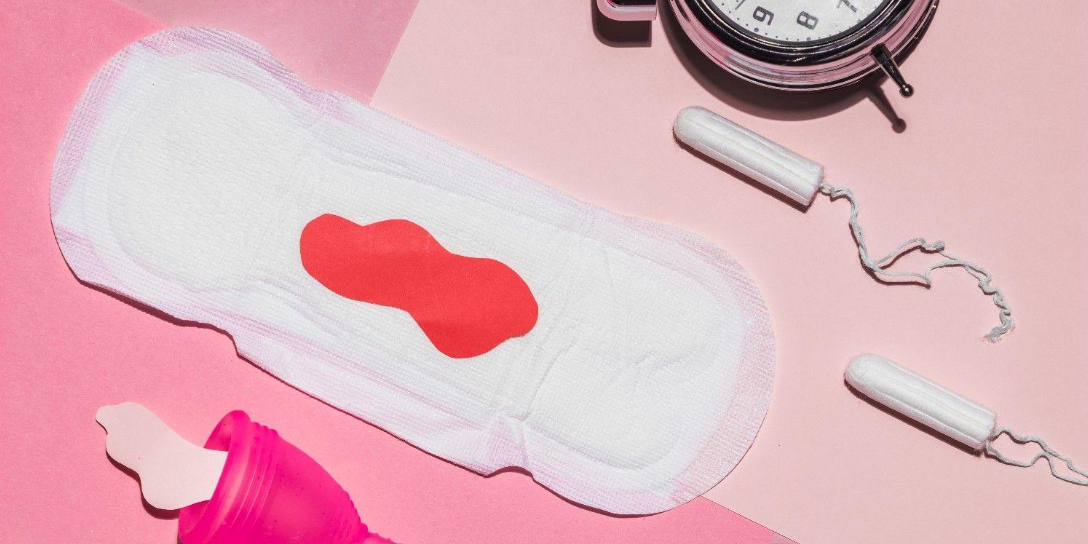
- Soaking through a pad or tampon every hour for several consecutive hours
- Needing to double up on period products
- Bleeding for longer than 7 days
- Passing clots larger than a quarter
- Feeling fatigued, dizzy, or short of breath during your period
Chronic heavy bleeding is one of the leading causes of iron-deficiency anemia in women of reproductive age.
What Causes Heavy Periods?
Heavy menstrual bleeding is almost always linked to an underlying cause. The most common ones include:
Uterine Fibroids — Noncancerous growths in the uterine wall are the most common structural cause of heavy periods. They can increase the surface area of the uterine lining, leading to significantly heavier bleeding.
Research published in the American Journal of Obstetrics and Gynecology found fibroids are present in up to 70% of women by age 50, with heavy bleeding as the primary complaint.
Endometriosis — When uterine-like tissue grows outside the uterus, it can cause both painful and heavy periods. Inflammation triggered by endometrial lesions disrupts normal bleeding patterns.
Adenomyosis — The uterine lining grows into the muscle wall of the uterus, causing it to become enlarged and bleed more heavily during menstruation. It is frequently underdiagnosed and misattributed to “just bad periods.”
Hormonal Imbalance — Estrogen and progesterone regulate the thickening and shedding of the uterine lining. When these hormones are out of balance, common during perimenopause, with thyroid disorders, or with PCOS, the lining can become abnormally thick, leading to heavier bleeding.
Polyps — Small, benign growths on the inner lining of the uterus (endometrial polyps) can cause irregular and heavy periods. They are easily detected on ultrasound.
Bleeding Disorders — A 2019 study in Obstetrics & Gynecology found that up to 20% of women with heavy menstrual bleeding have an underlying bleeding disorder such as von Willebrand disease, a condition that is frequently missed because symptoms are normalized as “just a heavy period.”
Why You Shouldn’t Ignore It
Beyond the disruption to daily life, untreated heavy periods can lead to:
- Iron-deficiency anemia — causing fatigue, brain fog, and weakness
- Missed diagnoses — fibroids, polyps, and even early uterine cancer can present as heavy bleeding
- Reduced quality of life — studies show women with menorrhagia report significant impacts on work, relationships, and mental health
A 2021 study in BJOG: An International Journal of Obstetrics and Gynaecology found that women wait an average of 3.6 years before seeking treatment for heavy periods, often because they were told it was normal by a previous provider or dismissed their own symptoms.
How Is Heavy Menstrual Bleeding Diagnosed and Treated?
Diagnosis typically involves a pelvic exam, ultrasound, blood tests (including thyroid and iron levels), and sometimes a hysteroscopy to look inside the uterus. Treatment depends on the underlying cause and can include:
- Hormonal therapy (birth control pills, hormonal IUD, or progesterone)
- Non-hormonal medication like tranexamic acid
- Minimally invasive procedures such as endometrial ablation
- Surgical removal of fibroids or polyps
- Hysterectomy in severe, refractory cases
You don’t have to plan your life around your period.
Schedule your women’s health appointment with IVANA MD in Missouri City, TX.
Call: 346-585-4077
4220 Cartwright Road, Suite 201, Missouri City, Texas 77459.
References
Stewart, E. A., Laughlin-Tommaso, S. K., Catherino, W. H., et al. (2016). Uterine fibroids. Nature Reviews Disease Primers, 2, 16043. https://www.nature.com/articles/nrdp201644
Bofill Rodriguez, M., Lethaby, A., & Farquhar, C. (2019). Non-steroidal anti-inflammatory drugs for heavy menstrual bleeding. Cochrane Database of Systematic Reviews, Issue 9. Art. No.: CD000400. https://www.cochranelibrary.com/cdsr/doi/10.1002/14651858.CD000400.pub4/full/po
Schoep, M. E., Nieboer, T. E., van der Zanden, M., et al. (2021). The difficult journey to treatment for women suffering from heavy menstrual bleeding: a multi-national survey. The European Journal of Contraception & Reproductive Health Care, 26(5), 390-398. https://pubmed.ncbi.nlm.nih.gov/34047657/
Munro, M. G., Critchley, H. O. D., Fraser, I. S., & FIGO Menstrual Disorders Committee. (2018). The two FIGO systems for normal and abnormal uterine bleeding symptoms and classification of causes of abnormal uterine bleeding in the reproductive years: 2018 revisions. International Journal of Gynecology & Obstetrics, 143(3), 393-408. https://obgyn.onlinelibrary.wiley.com/doi/abs/10.1002/ijgo.12666
American College of Obstetricians and Gynecologists (ACOG). (2021). Heavy Menstrual Bleeding. ACOG Practice Bulletin No. 128 (Reaffirmed 2021). https://www.acog.org/womens-health/faqs/heavy-menstrual-bleeding