
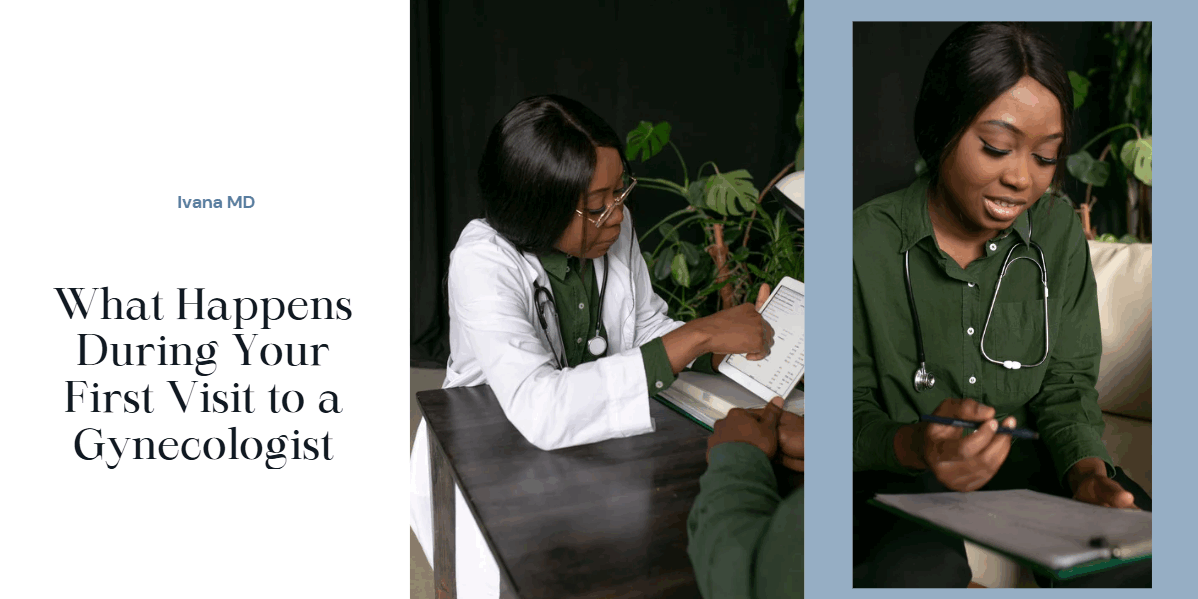
What Happens During Your First Visit to a Gynecologist
For many women and young girls, the first visit to a gynecologist can bring up a mix of curiosity, nervousness, uncertainty, and sometimes fear. At IVANA MD, we believe every woman deserves a gentle, respectful, and informative introduction to this important part of her health journey. This article explains what typically happens during a first gynecology appointment, and how to make the experience positive, empowering, and comfortable.
Why This Visit Matters
Your reproductive health is an important part of your overall well-being. This first visit establishes a foundation for:
- understanding your body
- learning what is normal and what is not
- identifying any potential concerns early
- building a trusted relationship with your doctor
Women’s bodies change throughout life. Having a gynecologist who knows you and your health history ensures that you are never navigating those changes alone.
A Warm, Welcoming Start
At IVANA MD, your visit begins with kindness — never judgment.
Instead of rushing into exams or procedures, we start with a conversation:
- What brings you in today?
- Are you experiencing any concerns?
- What questions do you have about your body or menstrual cycle?
- Is this your first gynecology visit?
- Have you had any symptoms or changes in your health recently?
You are encouraged to ask anything — and I truly mean anything.
Nothing is “too personal.”
Nothing is “embarrassing.”
Nothing is “silly.”
Your health questions are always valid and worthy of attention.
Medical History & Lifestyle Questions
Your doctor may ask about:
- your period (timing, flow, pain, regularity)
- contraceptive use (if any)
- sexual activity (optional — only if applicable)
- vaccination history (especially HPV)
- family reproductive history
- symptoms you’ve noticed (odor, discharge, cramps, itching, etc.)
We may also ask about broader health factors like:
- sleep
- stress
- mood
- diet
- exercise
- weight changes
Because your reproductive system is influenced by your total-body health — especially hormones.
The Physical Exam
Depending on age and reason for visit, some patients may NOT need a pelvic exam during their first visit.
For example:
- If you are a teen and not sexually active → exam may be external only
- If this is a preventive visit with no symptoms → exam may be optional
- If you are nervous or uncomfortable → we will go slowly, and only with consent
When a physical exam is done, it may include:
General Exam
Checking:
- blood pressure
- heart rate
- abdominal health
- thyroid
- weight & BMI
Breast Exam
You will learn how to perform a self-exam at home.
Pelvic Exam
This includes:
- external visual examination
- internal check for vaginal or cervical health
- possible Pap smear (age appropriate)
Throughout the entire process:
- you are fully covered with a drape
- everything is explained step-by-step
- you can request a pause at any time
- you can decline a procedure
- your comfort is prioritized
You are always in control of what is done with your own body.
When a Pap Smear Is Needed
A Pap smear checks for cervical cell changes that might indicate HPV or risk of cervical cancer.
- Recommended starting age: 21
- Frequency: usually every 3 years, unless otherwise indicated
If this is your first Pap smear, your doctor will explain:
- what it tests for
- how it is performed
- what the results mean
- how long results take
Most women describe the sensation as mild pressure — not pain.
Talking About Intimate Concerns
Women often ask questions such as:
- Is this discharge normal?
- Why does my period hurt so much?
- Is my odor normal?
- Should I be worried about irregular periods?
- Can stress affect my cycle?
- Is vaginal dryness normal at this age?
- How do I know if I have a yeast infection?
Your gynecologist provides clear, factual answers — never judgment.
This is a safe space.
Education: Learning About Your Body
We will talk about:
- normal vs. abnormal bleeding
- hormonal fluctuations
- when cramps are concerning
- vaginal pH
- healthy hygiene practices
- what NOT to use (such as scented washes, douches, etc.)
- birth control options (if needed)
- fertility awareness
This is your opportunity to learn things you should have been taught in school — but probably weren’t.
Building Trust for Future Visits
Your first appointment sets the tone.
Our goals are to:
- make you feel heard
- help you understand your body
- give you reliable medical guidance
- develop long-term trust
You should leave thinking:
“That wasn’t nearly as scary as I expected.”
and ideally —
“I feel informed and empowered.”
How To Prepare Before Your Visit
Here are a few suggestions:
✔ Write down any questions or concerns ahead of time
✔ Track your period dates if you can
✔ Be honest about symptoms
✔ Don’t feel the need to shave or be groomed — truly
✔ Wear comfortable clothing
✔ If nervous, bring a friend or family member for support
Your doctor is not judging your appearance, grooming, sexual activity, body type, or weight.
This is healthcare — not inspection.
When to Start Seeing a Gynecologist
General guidance:
- First visit between ages 13–15
- Pap smears starting around age 21
- Annual exams thereafter
- More frequent visits if specific concerns arise
If you experience:
- severe pelvic pain
- bleeding between periods
- extremely heavy periods
- unusual discharge or odor
- pain during intercourse
- missed periods without explanation
- menopausal symptoms
— you should schedule sooner.
Final Thoughts
Your first gynecology appointment is a step toward understanding your health and taking control of your body’s well-being. Whether you are a teen, a young adult, a mother, or entering menopause, we are here to guide you with compassion and expertise.
Ready to schedule your first—or next—visit?
We would love to care for you.
Schedule your women’s health appointment with IVANA MD in Missouri City, TX.
Call 346 585 4077
4220 Cartwright Road Suite 201
Missouri City, Texas 77459