What Is Endometriosis? Understanding a Commonly Misdiagnosed Condition
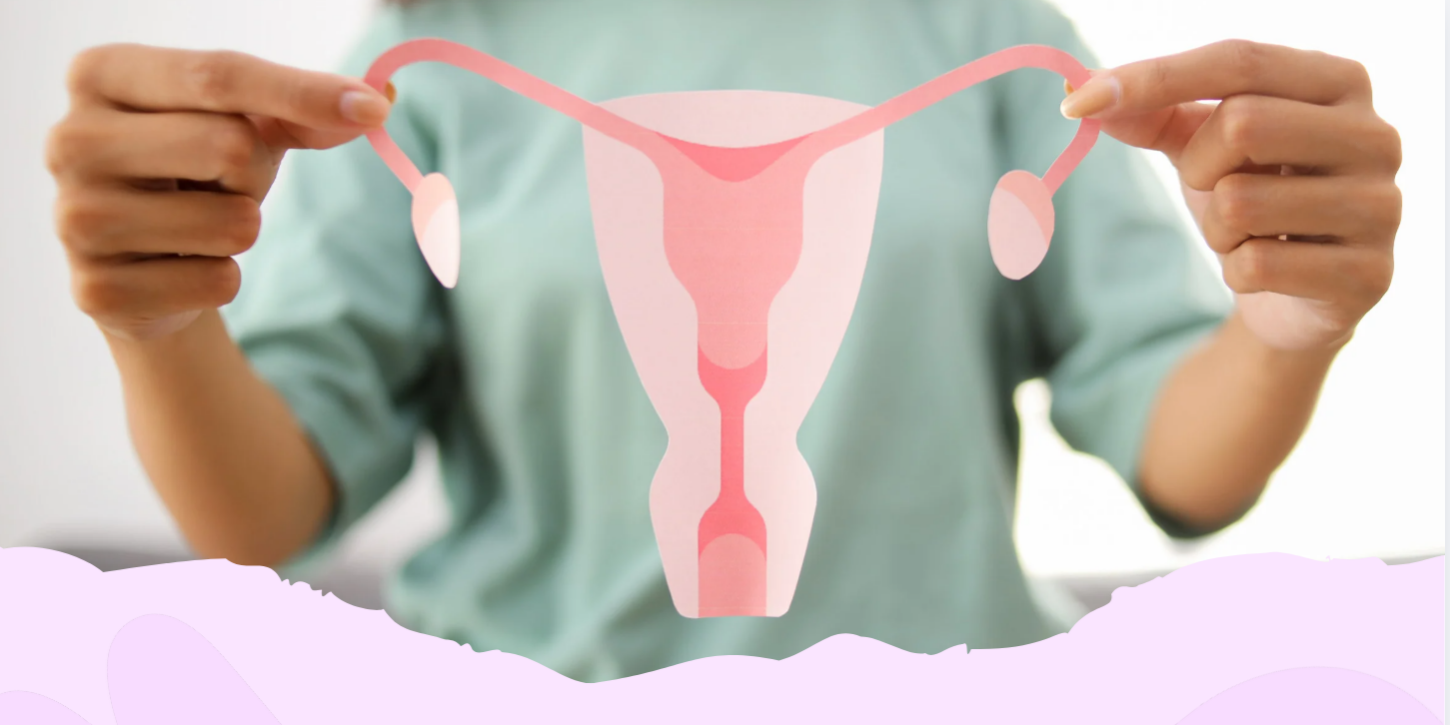
Endometriosis is a chronic, often debilitating gynecological condition in which tissue similar to the uterine lining (the endometrium) grows outside the uterus, on the ovaries, fallopian tubes, pelvic lining, and in some cases, distant organs. This misplaced tissue responds to hormonal changes during the menstrual cycle, leading to inflammation, scarring, and significant pain.
According to the World Health Organization (WHO), endometriosis affects approximately 190 million women and girls worldwide roughly 10% of those of reproductive age. Despite its prevalence, it takes an average of 7 to 10 years from the onset of symptoms to receive a formal diagnosis, largely due to symptom overlap with other conditions and a historical tendency to dismiss women’s pain.
Understanding your treatment options is the first step toward reclaiming your quality of life.
Recognizing the Symptoms of Endometriosis
Before exploring treatment, it is important to recognize the hallmark signs of endometriosis:
- Severe pelvic pain, especially during menstruation (dysmenorrhea)
- Pain during or after sexual intercourse (dyspareunia)
- Painful urination or bowel movements, particularly during menstrual periods
- Heavy menstrual bleeding or bleeding between periods
- Infertility — endometriosis is found in 20–40% of women experiencing difficulty conceiving
- Fatigue, bloating, nausea, and gastrointestinal discomfort
A landmark study published in Human Reproduction (2011) found that women with endometriosis reported a loss of nearly 11 hours of productivity per week due to symptoms, a figure that underscores the urgent need for effective treatment.
Diagnosing Endometriosis: The Foundation of Effective Treatment
Accurate diagnosis is critical. While imaging such as ultrasound or MRI can suggest endometriosis, the gold standard for diagnosis remains laparoscopy, a minimally invasive surgical procedure in which a surgeon directly visualizes and biopsies endometrial implants.
Early diagnosis allows for earlier intervention and better long-term outcomes, including preserved fertility.
Available Treatment Options for Endometriosis
Endometriosis treatment is not one-size-fits-all. The ideal approach depends on the severity of the disease, the patient’s symptoms, age, fertility goals, and overall health. Below is a comprehensive overview of evidence-based treatment options.
1. Pain Management: Over-the-Counter and Prescription Medications
For mild-to-moderate symptoms, nonsteroidal anti-inflammatory drugs (NSAIDs) such as ibuprofen or naproxen sodium are commonly recommended as first-line therapy. These medications reduce inflammation and alleviate menstrual cramping.
2. Hormonal Therapy for Endometriosis
Since endometriosis is driven by estrogen, hormonal therapies aim to suppress estrogen production, reduce the menstrual cycle’s stimulating effect on lesions, and slow disease progression. Options include:
Combined Oral Contraceptives (Birth Control Pills) Low-dose estrogen-progestin pills are often the first hormonal treatment prescribed. They reduce menstrual flow and associated pain. Research in the Journal of Minimally Invasive Gynecology (2014) found that combined OCP users reported significant reductions in dysmenorrhea compared to untreated controls.
Progestins-only therapies including norethindrone acetate, medroxyprogesterone acetate (Depo-Provera), and the levonorgestrel IUD (Mirena) suppress endometrial tissue growth. A 2018 study in Fertility and Sterility showed that dienogest, a synthetic progestin, significantly reduced endometriosis-associated pain scores compared to placebo.
GnRH Agonists and Antagonists Gonadotropin-releasing hormone (GnRH) agonists (e.g., leuprolide/Lupron) and antagonists (e.g., elagolix/Orilissa) create a temporary, medically-induced menopause by dramatically reducing estrogen levels. Clinical trials published in The New England Journal of Medicine (2017) demonstrated that elagolix significantly reduced dysmenorrhea and non-menstrual pelvic pain versus placebo. These medications are typically used short-term due to side effects such as bone density loss.
Danazol An older androgenic drug that suppresses the menstrual cycle, though it is less commonly used today due to side effects including weight gain, acne, and voice changes.
3. Minimally Invasive Surgery (Laparoscopic Excision)
When hormonal treatments fail to provide adequate relief, or when endometriosis is affecting fertility, laparoscopic surgery is often recommended. Surgical options include:
Excision Surgery Considered by many specialists to be the most effective surgical approach, excision involves completely cutting out endometrial lesions, rather than simply burning them. A study in Human Reproduction showed that excision surgery resulted in significant pain relief in over 80% of patients.
Ablation (Cauterization) This technique uses heat or laser energy to destroy lesions on the surface. While less invasive than excision, ablation may be less thorough for deeply infiltrating endometriosis.
Cystectomy for Endometriomas When endometriosis forms cysts on the ovaries (called endometriomas or “chocolate cysts”), surgical removal of the cyst wall called cystectomy is preferred over drainage alone. Research in Reproductive BioMedicine Online (2014) supports cystectomy as offering better outcomes for pain relief and ovarian reserve preservation.
4. Endometriosis and Fertility Treatments
For women with endometriosis who are trying to conceive, a tailored reproductive strategy is essential. Options include:
- Laparoscopic surgery to remove lesions and improve natural conception rates
- Intrauterine Insemination (IUI) in combination with ovulation induction
- In Vitro Fertilization (IVF), which bypasses many of the obstacles endometriosis creates for natural conception
A meta-analysis in Obstetrics & Gynecology (2014) found that surgical treatment of minimal-to-mild endometriosis improved spontaneous pregnancy rates compared to expectant management.
5. Lifestyle Modifications and Complementary Therapies
While lifestyle changes do not cure endometriosis, research suggests they can meaningfully improve quality of life alongside medical treatment:
Anti-Inflammatory Diet Studies have found that diets rich in omega-3 fatty acids (found in fatty fish, flaxseed, and walnuts) may reduce inflammatory markers associated with endometriosis. A study in Human Reproduction found an inverse relationship between omega-3 intake and endometriosis risk.
Regular Exercise Physical activity has been shown to lower estrogen levels and reduce prostaglandins that cause cramping, improving pain symptoms for some patients.
Pelvic Physical Therapy Specialized pelvic floor therapy can address musculoskeletal pain components, reduce pelvic tension, and improve sexual function affected by endometriosis-related pain.
Mind-Body Approaches Mindfulness-based stress reduction (MBSR), cognitive behavioral therapy (CBT), and acupuncture have shown promise in reducing the perceived pain burden of chronic pelvic pain. A review in Journal of Endometriosis and Pelvic Pain Disorders noted improvements in pain and psychological wellbeing with integrative approaches.
6. Hysterectomy: When It May Be Considered
For women who have completed childbearing and have not responded to other treatments, a hysterectomy (removal of the uterus) with bilateral salpingo-oophorectomy (removal of the ovaries and fallopian tubes) may be considered. This is the most definitive hormonal intervention for endometriosis, as removing the ovaries eliminates the estrogen that fuels disease.
However, it is not a guaranteed cure. Approximately 15% of patients may experience recurrent symptoms even after hysterectomy, particularly if residual lesions were not fully removed. This underscores the importance of working with an experienced specialist.
Emerging and Investigational Treatments
Exciting new research is expanding the treatment landscape for endometriosis:
- Linzagolix and relugolix — next-generation GnRH receptor antagonists with improved safety profiles currently under study
- Anti-angiogenic therapies — targeting the blood supply that sustains endometrial lesions
- Immunomodulatory agents — exploring the role of immune dysregulation in endometriosis pathogenesis
- Stem cell research — investigating the cellular origins of endometriosis for targeted therapies
The field is moving rapidly, and staying informed with an up-to-date specialist is more important than ever.
Why Early and Specialized Care Matters
Endometriosis is a progressive disease. Without appropriate treatment, lesions can deepen, spread, and cause irreversible damage including severe scarring, bowel or bladder involvement, and permanent fertility impairment. Early intervention guided by a knowledgeable women’s health provider is your best defense.
A compassionate, personalized approach is not a luxury. It is a clinical necessity.
Frequently Asked Questions About Endometriosis Treatment
Can endometriosis be cured? There is currently no definitive cure, but symptoms can be effectively managed with the right combination of medical, surgical, and lifestyle interventions. Many women achieve significant, long-term relief.
Will hormonal therapy affect my fertility? Most hormonal therapies are temporary. Fertility typically returns after discontinuing treatment, and your provider can help you plan around your reproductive goals.
Is surgery always necessary? No. Many patients achieve meaningful relief with hormonal therapy and pain management. Surgery is typically considered when conservative measures fail or when fertility is affected.
Can endometriosis come back after treatment? Yes. Endometriosis has a recurrence rate of approximately 20–40% within five years of surgical treatment. Long-term management with hormonal therapy after surgery significantly reduces recurrence risk.
Take the First Step Toward Relief
Living with endometriosis does not have to mean living in pain. Whether you are newly diagnosed, struggling with persistent symptoms, or navigating fertility concerns, expert women’s healthcare can make a life-changing difference.
Do not let endometriosis control your life. Our experienced women’s health team is here to listen, diagnose accurately, and build a personalized treatment plan around your unique needs and goals.
Schedule Your Women’s Health Appointment with IVANA MD
Call: 346-585-4077
4220 Cartwright Road, Suite 201, Missouri City, Texas 77459
References
- World Health Organization (WHO). (2023). Endometriosis. Retrieved from https://www.who.int/news-room/fact-sheets/detail/endometriosis
- Zondervan, K. T., Becker, C. M., & Missmer, S. A. (2020). Endometriosis. New England Journal of Medicine, 382(13), 1244–1256. https://doi.org/10.1056/NEJMra1810764
- Simoens, S., Dunselman, G., Dirksen, C., Hummelshoj, L., Bokor, A., Brandes, I., … & D’Hooghe, T. (2012). The burden of endometriosis: costs and quality of life of women with endometriosis and treated in referral centres. Human Reproduction, 27(5), 1292–1299. https://doi.org/10.1093/humrep/des073
- Dunselman, G. A. J., Vermeulen, N., Becker, C., Calhaz-Jorge, C., D’Hooghe, T., De Bie, B., … & Nelen, W. (2014). ESHRE guideline: management of women with endometriosis. Human Reproduction, 29(3), 400–412. https://doi.org/10.1093/humrep/det457
- Allen, C., Hopewell, S., Prentice, A., & Gregory, D. (2009). Nonsteroidal anti-inflammatory drugs for pain in women with endometriosis. Cochrane Database of Systematic Reviews, (2), CD004753. https://doi.org/10.1002/14651858.CD004753.pub3
- Harada, T., Momoeda, M., Taketani, Y., Aso, T., Fukunaga, M., Hagino, H., & Terakawa, N. (2008). Dienogest is as effective as intranasal buserelin acetate for the relief of pain symptoms associated with endometriosis — a randomized, double-blind, multicenter, controlled trial. Fertility and Sterility, 91(3), 675–681. https://doi.org/10.1016/j.fertnstert.2007.12.080
- Taylor, H. S., Giudice, L. C., Lessey, B. A., Abrao, M. S., Kotarski, J., Archer, D. F., … & Chwalisz, K. (2017). Treatment of endometriosis-associated pain with elagolix, an oral GnRH antagonist. New England Journal of Medicine, 377(1), 28–40. https://doi.org/10.1056/NEJMoa1700089
- Garry, R., Clayton, R., & Hawe, J. (2000). The effect of endometriosis and its radical laparoscopic excision on quality of life indicators. BJOG: An International Journal of Obstetrics and Gynaecology, 107(1), 44–54. https://doi.org/10.1111/j.1471-0528.2000.tb11578.x
- Hart, R. J., Hickey, M., Maouris, P., & Buckett, W. (2008). Excisional surgery versus ablative surgery for ovarian endometriomata. Cochrane Database of Systematic Reviews, (2), CD004992. https://doi.org/10.1002/14651858.CD004992.pub3
- Marcoux, S., Maheux, R., & Bérubé, S. (1997). Laparoscopic surgery in infertile women with minimal or mild endometriosis. New England Journal of Medicine, 337(4), 217–222. https://doi.org/10.1056/NEJM199707243370401
- Missmer, S. A., Chavarro, J. E., Malspeis, S., Bertone-Johnson, E. R., Hornstein, M. D., Spiegelman, D., … & Hankinson, S. E. (2010). A prospective study of dietary fat consumption and endometriosis risk. Human Reproduction, 25(6), 1528–1535. https://doi.org/10.1093/humrep/deq044
- Vercellini, P., Viganò, P., Somigliana, E., & Fedele, L. (2014). Endometriosis: pathogenesis and treatment. Nature Reviews Endocrinology, 10(5), 261–275. https://doi.org/10.1038/nrendo.2013.255
- Kennedy, S., Bergqvist, A., Chapron, C., D’Hooghe, T., Dunselman, G., Greb, R., … & Zondervan, K. (2005). ESHRE guideline for the diagnosis and treatment of endometriosis. Human Reproduction, 20(10), 2698–2704. https://doi.org/10.1093/humrep/dei135
- Guo, S. W. (2009). Recurrence of endometriosis and its control. Human Reproduction Update, 15(4), 441–461. https://doi.org/10.1093/humupd/dmp007
- Stratton, P., & Berkley, K. J. (2011). Chronic pelvic pain and endometriosis: translational evidence of the relationship and implications. Human Reproduction Update, 17(3), 327–346. https://doi.org/10.1093/humupd/dmq050
- As-Sanie, S., Black, R., Giudice, L. C., Gray Valbrun, T., Gupta, J., Jones, B., … & Yong, P. J. (2019). Assessing research gaps and unmet needs in endometriosis. American Journal of Obstetrics and Gynecology, 221(2), 86–94. https://doi.org/10.1016/j.ajog.2019.02.033
This blog post is intended for informational purposes only and does not constitute medical advice. Please consult a qualified healthcare provider for diagnosis and treatment tailored to your individual needs.
Other Related Topics That Might Interest You
What Causes Irregular Periods and When to See a Doctor
Understanding Fibroids: Size, Pain & Treatment Options
Can Birth Control Help with Endometriosis?
How Local Gynecology Improves Outcomes vs. Hospital Systems
What Missouri City Women Should Know About Annual Gynecological Exams