
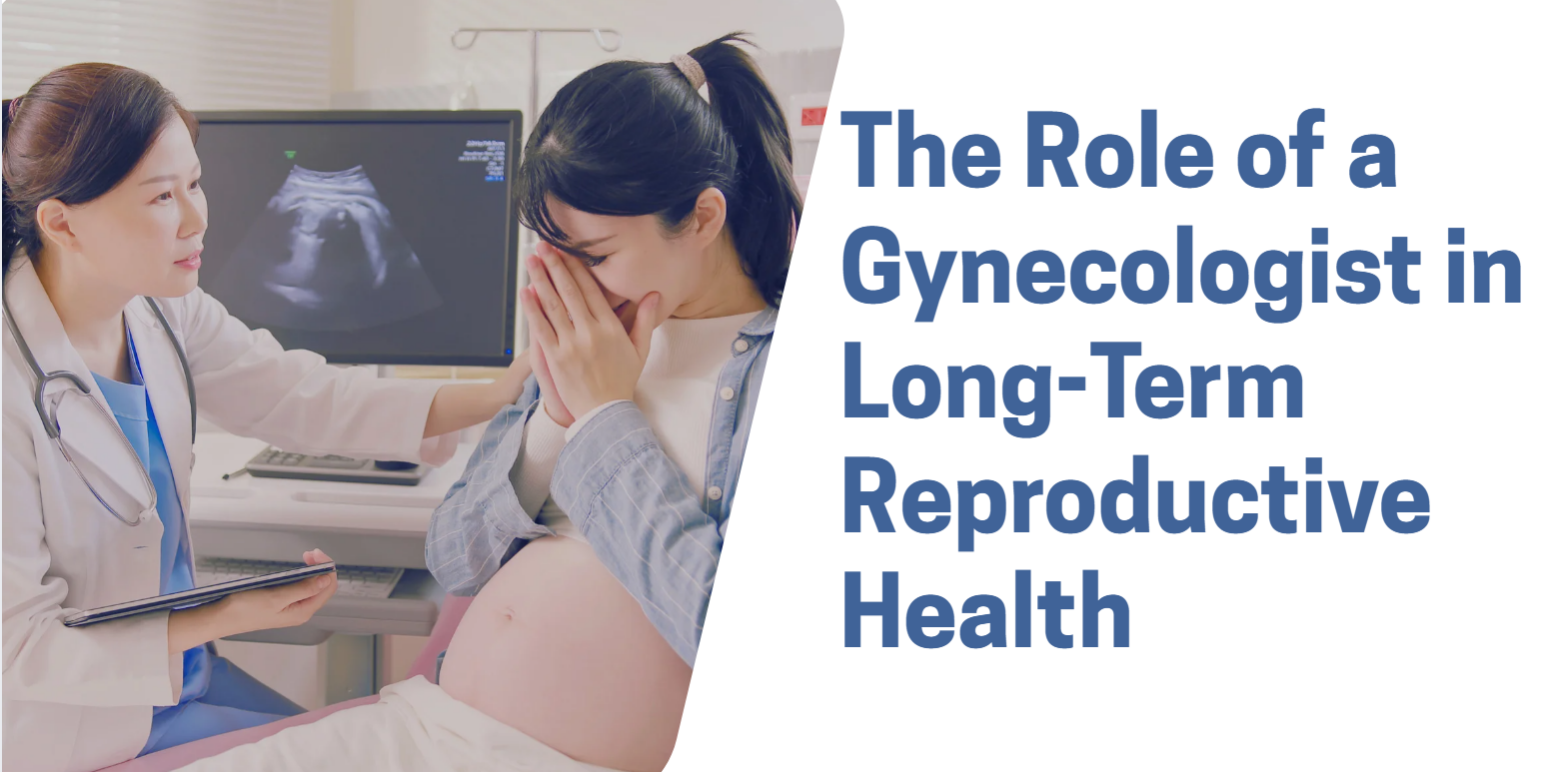
A gynecologist plays a vital role in a woman’s health far beyond annual exams or pregnancy care. As a long-term partner in reproductive health, your gynecologist supports you through every life stage,from adolescence to menopause and beyond.
Understanding the full scope of gynecological care helps you make the most of this essential healthcare relationship and protect both your reproductive and overall health for life.
What Is Reproductive Health?
Reproductive health is about more than fertility. According to the World Health Organization, it includes physical, mental, and social wellbeing related to the reproductive system.
A gynecologist for reproductive health addresses:
- Menstrual health and cycle regulation
- Birth control and family planning
- Fertility and preconception care
- Pregnancy prevention or achievement
- Sexually transmitted infection (STI) prevention and treatment
- Sexual function and satisfaction
- Hormone balance throughout life
- Diagnosis and treatment of gynecologic conditions
- Cancer prevention and early detection
This comprehensive approach recognizes that reproductive health affects quality of life, relationships, career planning, and emotional wellbeing.
The Gynecologist’s Role Across Life Stages
Adolescence & Young Adulthood (Ages 13–25)
During early reproductive years, a gynecologist focuses on education and prevention, including:
- Menstrual cycle education and what is normal
- Management of irregular or painful periods
- Hormonal concerns (acne, excess hair growth)
- HPV (Human papillomavirus) vaccination for cervical cancer prevention
- Contraceptive counseling when appropriate
- Screening for conditions like PCOS or endometriosis
- Establishing healthy lifelong gynecologic care habits
Early care can prevent long-term complications and normalize reproductive health conversations.
Reproductive Years (Ages 25–45)
During prime reproductive years, gynecological care expands to include:
- Comprehensive contraception management
- Preconception counseling and pregnancy planning
- Fertility evaluation and treatment
- Pregnancy and postpartum care (OB/GYNs)
- Management of fibroids, PCOS, and endometriosis
- Cervical cancer screening and HPV (Human papillomavirus) testing
- Breast health monitoring
- Sexual health and relationship counseling
Your gynecologist helps balance reproductive health with career, family, and lifestyle goals.
Perimenopause & Menopause (Ages 40–55+)
As hormone levels shift, your gynecologist helps manage:
- Irregular menstrual cycles
- Hot flashes and night sweats
- Sleep disturbances and fatigue
- Vaginal dryness and sexual changes
- Bone health and osteoporosis prevention
- Cardiovascular risk monitoring
- Hormone therapy evaluation
- Mood, memory, and metabolic changes
This transition can last years, making expert guidance essential.
Postmenopause (Age 55+)
Gynecologic care remains important after menopause, including:
- Continued hormone therapy management (when needed)
- Treatment of vaginal atrophy and urinary symptoms
- Pelvic floor health and prolapse prevention
- Sexual health maintenance
- Ongoing cancer screening
- Bone density monitoring
- Overall wellness support
Postmenopausal women still benefit greatly from regular gynecological care.
Key Components of Long-Term Reproductive Health Care
1. Preventive Care & Screening
Prevention is foundational to women’s health care:
- Pelvic exams
- Pap smears and HPV testing
- Breast exams and mammogram referrals
- STI screening based on risk
- Bone density screening when indicated
- Lifestyle counseling for long-term health
Early detection leads to better outcomes.
2. Contraceptive Management
Your gynecologist helps you:
- Choose the right birth control method
- Manage side effects
- Transition methods as needs change
- Access emergency contraception
- Discuss permanent sterilization if desired
Contraceptive needs evolve across life stages.
3. Fertility Planning & Support
Even if pregnancy is not immediate, your gynecologist supports fertility by offering:
- Preconception counseling
- Cycle tracking education
- Fertility evaluations
- Initial fertility testing
- Treatment for common fertility issues
- Referrals to reproductive endocrinology when needed
Early conversations expand future options.
4. Management of Chronic Gynecologic Conditions
Long-term conditions often require ongoing care, including:
- Endometriosis
- Polycystic ovary syndrome (PCOS)
- Uterine fibroids
- Chronic pelvic pain
- Recurrent infections
- Hormonal imbalances
Proper management protects fertility and quality of life.
5. Sexual Health & Function
Gynecologists address sensitive but critical concerns such as:
- Painful intercourse
- Low libido or arousal issues
- Vaginal dryness
- Sexual satisfaction
- Relationship and intimacy challenges
These issues directly affect wellbeing and deserve attention.
6. Hormone Balance Optimization
Hormonal health impacts the entire body. Gynecologic care includes evaluation and treatment of:
- Irregular periods
- PMS (Premenstrual Syndrome) and PMDD (Premenstrual Dysphoric Disorder)
- Menopausal symptoms
- Thyroid-related reproductive issues
- Mood changes tied to hormones
Balanced hormones support energy, mood, bone, and heart health.
Why Continuity of Care Matters
Seeing the same gynecologist long-term allows for:
- Deep knowledge of your health history
- Early detection of subtle changes
- Strong trust and communication
- Personalized, proactive care
- Better coordination across specialties
Continuity improves both outcomes and patient satisfaction.
When to See Your Gynecologist Beyond Annual Exams
Schedule an appointment if you experience:
- Abnormal or postmenopausal bleeding
- Severe pelvic or abdominal pain
- Painful intercourse
- Fertility concerns
- Unusual discharge or odor
- New lumps or masses
- Worsening chronic symptoms
Early evaluation prevents complications.
The Bottom Line
A gynecologist is far more than a provider for annual exams. They are your partner in lifelong reproductive health, supporting you through:
- Adolescence to postmenopause
- Preventive screening and education
- Fertility and family planning
- Hormonal balance
- Sexual health and quality of life
- Chronic condition management
- Reproductive advocacy and autonomy
Reproductive health affects your physical health, emotional wellbeing, relationships, and daily life. Investing in a trusted gynecologist and maintaining regular care ensures you receive expert, compassionate, comprehensive support at every stage.
Your reproductive health deserves lifelong care, and that is exactly what a dedicated gynecologist provides.
Schedule your women’s health appointment with IVANA MD in Missouri City, TX.
Call: 346-585-4077
4220 Cartwright Road, Suite 201
Missouri City, TX 77459