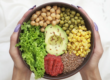

Painful periods affect millions of women every month. While heat packs and pain relievers offer temporary relief, your diet may be one of the most powerful tools for reducing menstrual cramps naturally. Research shows that food choices directly influence inflammation, hormone balance, and prostaglandin production; key drivers of period pain.
Understanding Menstrual Pain and Its Causes
Menstrual cramps, medically known as dysmenorrhea, affect up to 90% of women at some point in their lives.
What Causes Period Pain?
- Uterine contractions that help shed the uterine lining
- Increased production of prostaglandins (hormone-like lipid compounds)
- Higher prostaglandin levels = stronger, more painful cramps
- Systemic inflammation that amplifies pain signals
Diet plays a major role because certain foods increase inflammation while others reduce it.
Foods That May Worsen Menstrual Cramps
Inflammatory Foods to Limit
These foods can worsen cramps by increasing inflammation and hormonal imbalance:
- Processed and fried foods
- High in trans fats and omega-6 fatty acids
- Includes fast food, chips, frozen meals, fried snacks
- High in trans fats and omega-6 fatty acids
- Refined sugars and simple carbohydrates
- Cause blood sugar spikes and crashes
- Increase prostaglandin production
- Includes candy, soda, pastries, white bread
- Cause blood sugar spikes and crashes
- Excessive caffeine
- Constricts blood vessels
- May increase uterine tension and cramping
- Constricts blood vessels
- Red meat and high-fat dairy
- Contain arachidonic acid (a vital omega-6 polyunsaturated fatty acid)
- May worsen inflammation during menstruation
- Contain arachidonic acid (a vital omega-6 polyunsaturated fatty acid)
- Alcohol
- Increases bloating
- Disrupts hormone balance
- Contributes to dehydration and fatigue
- Increases bloating
Anti-Inflammatory Foods That Ease Period Pain
Nutrition for Natural Menstrual Relief
Incorporating anti-inflammatory foods can significantly reduce cramping and discomfort:
- Omega-3 rich foods
- Salmon, sardines, walnuts, flaxseeds
- Reduce prostaglandin-driven inflammation
- Salmon, sardines, walnuts, flaxseeds
- Leafy green vegetables
- Spinach, kale, collard greens
- Rich in magnesium and calcium
- Help relax uterine muscles
- Spinach, kale, collard greens
- Antioxidant-rich fruits
- Berries, oranges, cherries, papaya
- Reduce inflammation and support iron absorption
- Pineapple contains bromelain (natural pain relief)
- Berries, oranges, cherries, papaya
- Whole grains
- Oats, quinoa, brown rice
- Stabilize blood sugar
- Support hormonal balance
- Oats, quinoa, brown rice
- Nuts and seeds
- Pumpkin seeds, sunflower seeds, almonds
- Provide magnesium, vitamin E, and healthy fats
- Pumpkin seeds, sunflower seeds, almonds
- Ginger and turmeric
- Proven anti-inflammatory properties
- Ginger shown to reduce menstrual pain intensity
- Proven anti-inflammatory properties
Essential Nutrients for Menstrual Health
Magnesium: The Cramp Fighter
- Relaxes uterine muscles
- Reduces intensity and duration of cramps
- Found in:
- Dark chocolate
- Avocados
- Bananas
- Legumes
- Dark chocolate
Iron: Preventing Fatigue and Weakness
- Heavy periods increase iron loss
- Iron deficiency worsens fatigue and pain sensitivity
- Found in:
- Lean poultry
- Beans and lentils
- Fortified cereals
- Lean poultry
- Pair with vitamin C for better absorption
Vitamin D: Hormonal Balance Support
- Low levels linked to increased menstrual pain
- Sources include:
- Fatty fish
- Egg yolks
- Fortified milk
- Fatty fish
Calcium: More Than Bone Health
- Reduces cramping, bloating, and mood changes
- Sources include:
- Dairy or fortified plant milks
- Sardines
- Bok choy
- Dairy or fortified plant milks
Hydration and Menstrual Comfort
Staying hydrated helps:
- Reduce bloating
- Improve circulation
- Support muscle relaxation
Helpful Hydration Tips:
- Aim for 8+ glasses of water daily
- Increase intake during your period
- Choose warm beverages for comfort
- Herbal teas to try:
- Chamomile
- Peppermint
- Fennel
- Chamomile
Creating a Period-Friendly Meal Plan
Sample Day of Eating for Menstrual Relief
- Breakfast
- Oatmeal with berries, walnuts, honey
- Ginger tea
- Oatmeal with berries, walnuts, honey
- Lunch
- Spinach salad with grilled salmon
- Quinoa, avocado, pumpkin seeds
- Olive oil + lemon dressing
- Spinach salad with grilled salmon
- Snack
- Dark chocolate
- Banana
- Dark chocolate
- Dinner
- Stir-fried tofu
- Broccoli, bell peppers
- Brown rice with turmeric
- Stir-fried tofu
- Evening
- Chamomile tea
- Almonds
- Chamomile tea
Lifestyle Habits That Enhance Dietary Benefits
Pair nutrition changes with supportive lifestyle habits:
- Gentle exercise (walking, yoga)
- Adequate sleep for hormone regulation
- Stress management (meditation, deep breathing)
- Consistent routine throughout your cycle
When to See a Doctor for Period Pain
Diet helps, but severe or worsening pain is not normal.
Seek medical care if you experience:
- Pain interfering with daily life
- Cramping that worsens each cycle
- Heavy bleeding (hourly pad changes)
- Pain unrelieved by OTC medication
- Irregular or prolonged cycles
- Pain during intercourse or bowel movements
These symptoms may indicate:
- Endometriosis
- Fibroids
- Pelvic inflammatory disease
The Bottom Line: Diet Matters for Menstrual Health
What you eat directly affects how you experience your period. By:
- Reducing inflammatory foods
- Increasing anti-inflammatory nutrients
- Staying hydrated
Many women experience less pain, better energy, and improved cycle health.
Give dietary changes 2–3 menstrual cycles to see results. Tracking food and symptoms can help identify what works best for you.
Take Control of Your Menstrual Health Today
If painful periods are affecting your quality of life, a personalized medical evaluation can help uncover underlying causes and guide treatment.
Schedule your women’s health appointment with IVANA MD
Call: 346-585-40774220 Cartwright Road, Suite 201
Missouri City, TX 77459