
Let’s Cut Through the Noise on PCOS Nutrition
Search ‘PCOS diet’ and you’ll get an overwhelming flood of information — much of it conflicting, some of it extreme, and a good chunk of it not well-supported by actual clinical evidence. Keto. Vegan. No dairy. No gluten. Intermittent fasting. It’s exhausting, and for many women, navigating the nutritional landscape of PCOS becomes its own source of anxiety.
Here’s what we actually know, based on current evidence: diet matters for PCOS management, primarily because it affects insulin sensitivity and metabolic health. But there is no single magic PCOS diet, and extreme restriction is generally counterproductive. What the evidence supports is a sustainable, whole-foods approach that’s realistic for your life.
Why Diet Affects PCOS at All
The primary mechanism through which diet influences PCOS is insulin. As we’ve discussed in other posts, insulin resistance is central to the metabolic picture of many women with PCOS. Foods that cause large, rapid spikes in blood glucose drive higher insulin secretion — and chronic high insulin promotes androgen production from the ovaries, worsening the hormonal imbalance that underlies PCOS symptoms.
Dietary choices that minimize blood sugar spikes and improve insulin sensitivity therefore have the potential to improve androgen levels, support ovulatory function, and reduce long-term metabolic risk. This is the rationale behind the emphasis on low-glycemic eating in PCOS.
What the Mediterranean Diet Gets Right
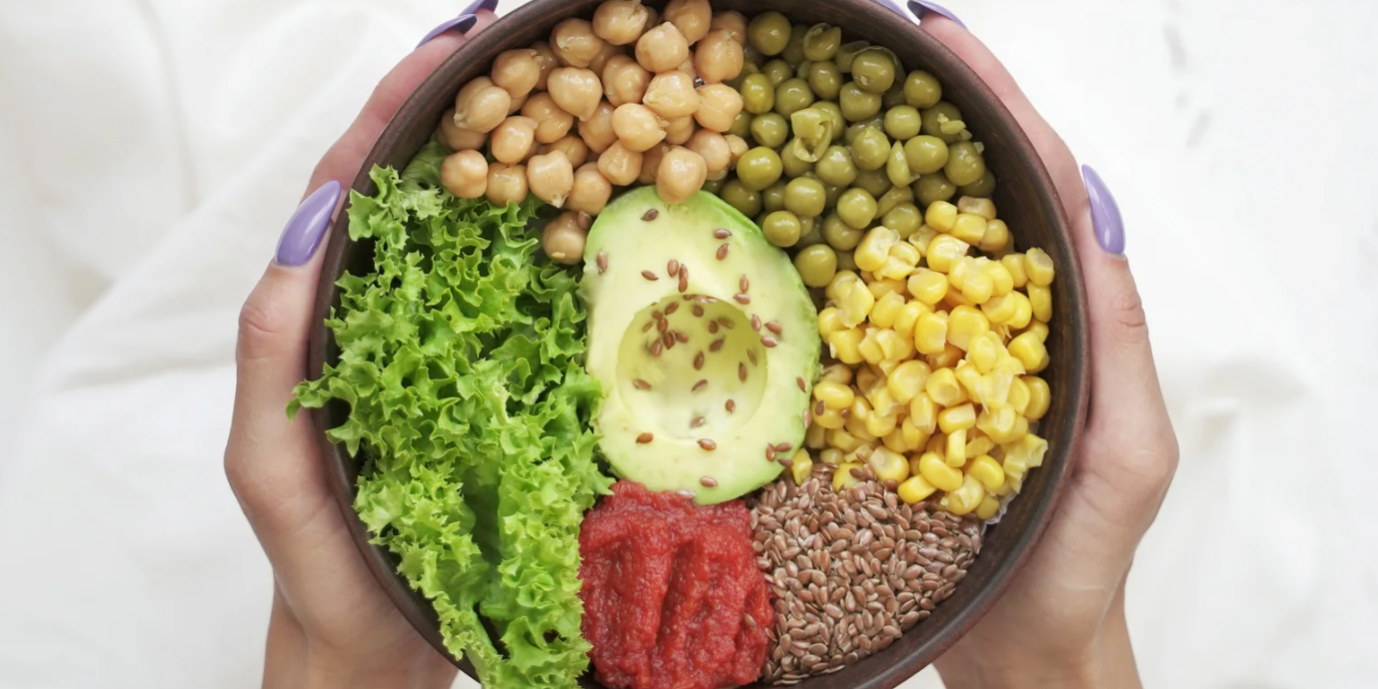
Of the dietary patterns studied in PCOS, the Mediterranean diet has the strongest overall evidence base. This pattern emphasizes vegetables, fruits, whole grains, legumes, nuts, and olive oil as the foundation; fish and seafood a few times per week; moderate amounts of poultry, eggs, and dairy; and limited red meat and processed foods.
The Mediterranean diet has been shown to improve insulin sensitivity, reduce inflammation, improve lipid profiles, and support cardiovascular health — all areas of concern in PCOS. It’s not a low-carb diet, but the carbohydrates it emphasizes are fiber-rich and low-glycemic, meaning they digest slowly and don’t cause rapid blood sugar spikes.
Perhaps most importantly, the Mediterranean diet is one of the most well-studied diets for sustainable long-term adherence. It’s flavorful, flexible, and socially compatible — all of which matter enormously when the goal is lasting change rather than a short-term fix.
Low-Glycemic Index (GI) Eating
Even without following a specific dietary pattern label, the concept of glycemic index is useful for PCOS. The glycemic index ranks foods by how quickly they raise blood glucose. Low-GI foods (whole grains, most vegetables, legumes, most fruits, nuts, dairy) are digested more slowly and produce gentler blood sugar responses. High-GI foods (white bread, white rice, sugary beverages, many processed snacks) cause rapid glucose spikes and corresponding high insulin responses.
A systematic shift toward lower-GI choices — without necessarily eliminating any food group — can meaningfully improve insulin sensitivity over time. Practical examples: choosing brown rice over white rice, whole grain bread over white, steel-cut oats over instant oatmeal, and snacking on nuts instead of crackers.
Protein, Fiber, and Meal Timing
Adequate protein at each meal helps slow gastric emptying and blunts the glycemic response to carbohydrates eaten at the same time. Including a protein source (eggs, Greek yogurt, chicken, fish, legumes, tofu) alongside carbohydrates is a practical way to improve the metabolic profile of meals without overhauling everything you eat.
Fiber has similar effects — soluble fiber in particular slows glucose absorption. Foods high in soluble fiber include oats, beans, lentils, apples, and flaxseed. Aiming for 25 to 35 grams of total fiber per day is a reasonable and evidence-backed target.
Meal timing and frequency are less settled questions in PCOS research. Skipping breakfast or compressing eating into a smaller window (as in intermittent fasting) may affect insulin dynamics and cortisol levels in ways that aren’t consistently beneficial for PCOS. There’s preliminary evidence that front-loading calories earlier in the day may be beneficial, but the evidence is not strong enough to make rigid recommendations. What we do know is that regular, balanced meals tend to support more stable blood sugar and insulin levels than erratic eating patterns.
What About Dairy and PCOS?
Dairy is one of the most debated food groups in PCOS conversations. Some claim it worsens acne or insulin resistance; others see no effect. The research is genuinely mixed. High-fat dairy does not appear to worsen insulin resistance in most studies, and dairy provides protein and micronutrients (calcium, vitamin D) that are relevant to bone health. The evidence does not support wholesale dairy elimination as a standard PCOS recommendation.
That said, if you personally notice that dairy worsens your acne or digestive issues, eliminating or reducing it is a reasonable individual experiment. Nutritional advice should always be individualized, and tracking your response to dietary changes is valuable.
What About Gluten?
Unless you have celiac disease or confirmed non-celiac gluten sensitivity, there is no strong evidence that eliminating gluten improves PCOS outcomes. What matters more is the quality of the carbohydrates you’re eating — whole grain options that happen to contain gluten are generally preferable to highly processed gluten-free alternatives that often have a higher glycemic index.
Anti-Inflammatory Eating
Chronic low-grade inflammation is present in PCOS and may contribute to both metabolic and hormonal dysregulation. An anti-inflammatory dietary approach overlaps significantly with the Mediterranean diet: high in omega-3 fatty acids (fatty fish, walnuts, flaxseed), rich in antioxidants from colorful vegetables and fruits, low in refined carbohydrates and added sugars, and limited in processed and ultra-processed foods.
Adding fatty fish like salmon, sardines, or mackerel two to three times per week is a practical way to increase omega-3 intake. For those who don’t eat fish, algae-based omega-3 supplements are a vegan-friendly alternative.
The Anti-Diet Culture Caveat
We want to be clear about one thing: aggressive caloric restriction and diet cycling are not good PCOS management strategies. They tend to worsen the relationship with food, can trigger or worsen disordered eating, often lead to cycles of restriction and rebound, and don’t produce sustainable metabolic improvements. Women with PCOS are at elevated risk for binge eating disorder and other disordered eating patterns, and nutritional recommendations should always be given with this in mind.
The goal is not a ‘perfect’ diet or a specific number on the scale. The goal is consistent, sustainable choices that support insulin sensitivity, reduce inflammation, and nourish your body. Working with a registered dietitian who understands PCOS can make this process much less overwhelming and much more personalized than any generic plan.
We’re Here to Help
Our practice in Sugar Land and Missouri City includes referrals to qualified registered dietitians experienced in PCOS management. If nutritional guidance is part of what you need to manage your PCOS effectively, ask us about it at your next visit. Getting the right dietary approach in place makes everything else — medications, supplements, exercise — work better.