Being diagnosed with uterine fibroids can raise many questions, especially about whether they will continue to grow or if there is a way to make them shrink without medication or surgery.
The good news is that some fibroids can shrink naturally, particularly after menopause. However, this does not happen for everyone, and there is currently no proven natural remedy that reliably removes or shrinks fibroids.
Understanding what influences fibroid growth can help you make informed decisions about your health.
What Are Uterine Fibroids?
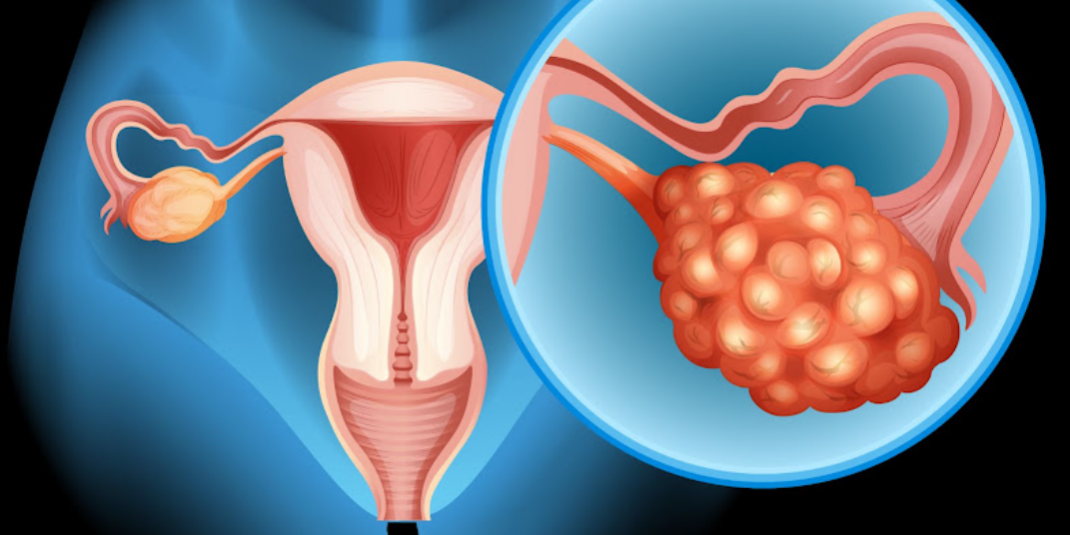
Uterine fibroids are noncancerous growths that develop in or around the uterus. They are made up of muscle and connective tissue and can vary in size, number, and location.
Some women have fibroids without experiencing symptoms, while others may experience:
- Heavy or prolonged menstrual bleeding.
- Painful periods or pelvic discomfort.
- A feeling of pressure or fullness in the lower abdomen.
- Frequent urination.
- Constipation or difficulty passing stool.
- Difficulty getting pregnant in some cases.
Can Fibroids Shrink on Their Own?
Yes, fibroids can sometimes shrink without treatment, but the likelihood depends on factors such as age and hormone levels.
One of the most common times this happens is after menopause. Estrogen and progesterone levels decline during this stage, and fibroids often become smaller as a result.
Fibroids may also change in size over time. Some remain stable, while others grow or shrink. These changes are not always predictable.
It is important to remember that fibroids do not necessarily disappear completely when they shrink.
Can Diet Help Shrink Fibroids?
A balanced diet can support overall health, but there is not enough scientific evidence to show that any particular food or diet can directly shrink existing fibroids.
You may come across recommendations to eat more fruits, vegetables, and whole grains or avoid certain foods to manage fibroids. While healthy eating is beneficial, these changes should not be presented as a cure.
A balanced eating pattern can include:
- Leafy green vegetables and other colourful produce.
- Whole grains such as oats and brown rice.
- Beans, lentils, and other sources of plant protein.
- Fish, eggs, and lean protein.
- Foods rich in iron, especially if you experience heavy menstrual bleeding.
If heavy periods have caused iron deficiency, your healthcare provider may recommend testing and appropriate treatment.
Do Exercise and Weight Management Make Fibroids Shrink?
Regular physical activity and maintaining a healthy weight support general hormonal and metabolic health.
Research has found associations between obesity and an increased risk of developing fibroids. However, losing weight has not been established as a treatment that makes existing fibroids shrink.
Exercise can still help improve energy, cardiovascular health, and overall well-being.
Do Natural Remedies or Supplements Work?
There are many claims online about herbal teas, detox drinks, supplements, and other natural remedies that supposedly dissolve fibroids.
However, there is currently insufficient reliable clinical evidence that these products can consistently shrink or eliminate fibroids.
Some supplements may also interact with medications or cause unwanted side effects. It is best to discuss any product you are considering with your healthcare provider before using it.
When Is Medical Treatment Necessary?
Not every fibroid requires treatment. If you have small fibroids without symptoms, your provider may recommend monitoring them over time.
However, treatment may be considered if fibroids cause:
- Heavy menstrual bleeding or anemia.
- Persistent pelvic pain or pressure.
- Frequent urination or bowel discomfort.
- Fertility concerns or pregnancy-related complications.
- Significant changes in symptoms or fibroid size.
Treatment options depend on your symptoms, the fibroids’ size and location, age, and plans for future pregnancy. They may include medication, minimally invasive procedures, or surgery such as myomectomy.
The Bottom Line
Fibroids can sometimes shrink naturally, especially after menopause, but there is no guaranteed diet, exercise routine, or herbal remedy that will make them disappear.
If you have been diagnosed with fibroids, regular follow-up can help monitor changes and determine whether treatment is necessary. You deserve care that considers your symptoms, reproductive goals, and overall health.
📍 Schedule your women’s health consultation with IVANA MD in Missouri City, TX.
📞 346-585-4077
4220 Cartwright Road, Suite 201, Missouri City, Texas 77459
References:
American College of Obstetricians and Gynecologists (ACOG). Uterine Fibroids.
https://www.acog.org/womens-health/faqs/uterine-fibroids?utm_source
Bulun, S. E. (2013). Uterine fibroids. New England Journal of Medicine, 369, 1344–1355.
https://doi.org/10.1056/NEJMra1209993?utm_source
Laughlin, S. K., & Stewart, E. A. (2011). Uterine leiomyomas: Individualizing the approach to a heterogeneous condition. Obstetrics and Gynecology, 117(2 Pt 1), 396–403.
https://doi.org/10.1097/AOG.0b013e31820780e3?utm_source
National Institute of Child Health and Human Development (NICHD). Uterine Fibroids.
https://www.nichd.nih.gov/health/topics/uterine?utm_source
National Institute for Health and Care Excellence (NICE). Heavy menstrual bleeding: assessment and management (NG88).
https://www.nice.org.uk/guidance/ng88