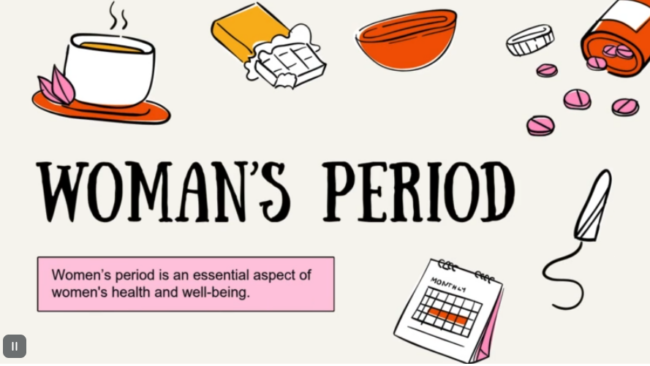
How Stress Affects Your Period
Stress increases cortisol, which interferes with ovulation and hormonal balance. This can lead to late periods, missed periods, spotting, heavier bleeding, and worsened PMS.

Stress increases cortisol, which interferes with ovulation and hormonal balance. This can lead to late periods, missed periods, spotting, heavier bleeding, and worsened PMS.

Clear or white discharge can be normal, while thick white, gray with odor, yellow, or green discharge may signal yeast infection, BV, or STI and should be evaluated by a gynecologist.

Women should typically see a gynecologist once per year for preventive care. More frequent visits may be needed for irregular periods, heavy bleeding, pelvic pain, or hormonal symptoms.

Hormones respond to lifestyle factors including sleep, stress, nutrition, exercise, and weight changes. Improving these factors can stabilize cycles, mood, metabolism, and fertility.
A normal menstrual cycle ranges from 21–35 days, with 3–7 days of bleeding. Irregular periods, severe cramps, or heavy bleeding may signal hormonal imbalance or conditions such as PCOS or endometriosis.